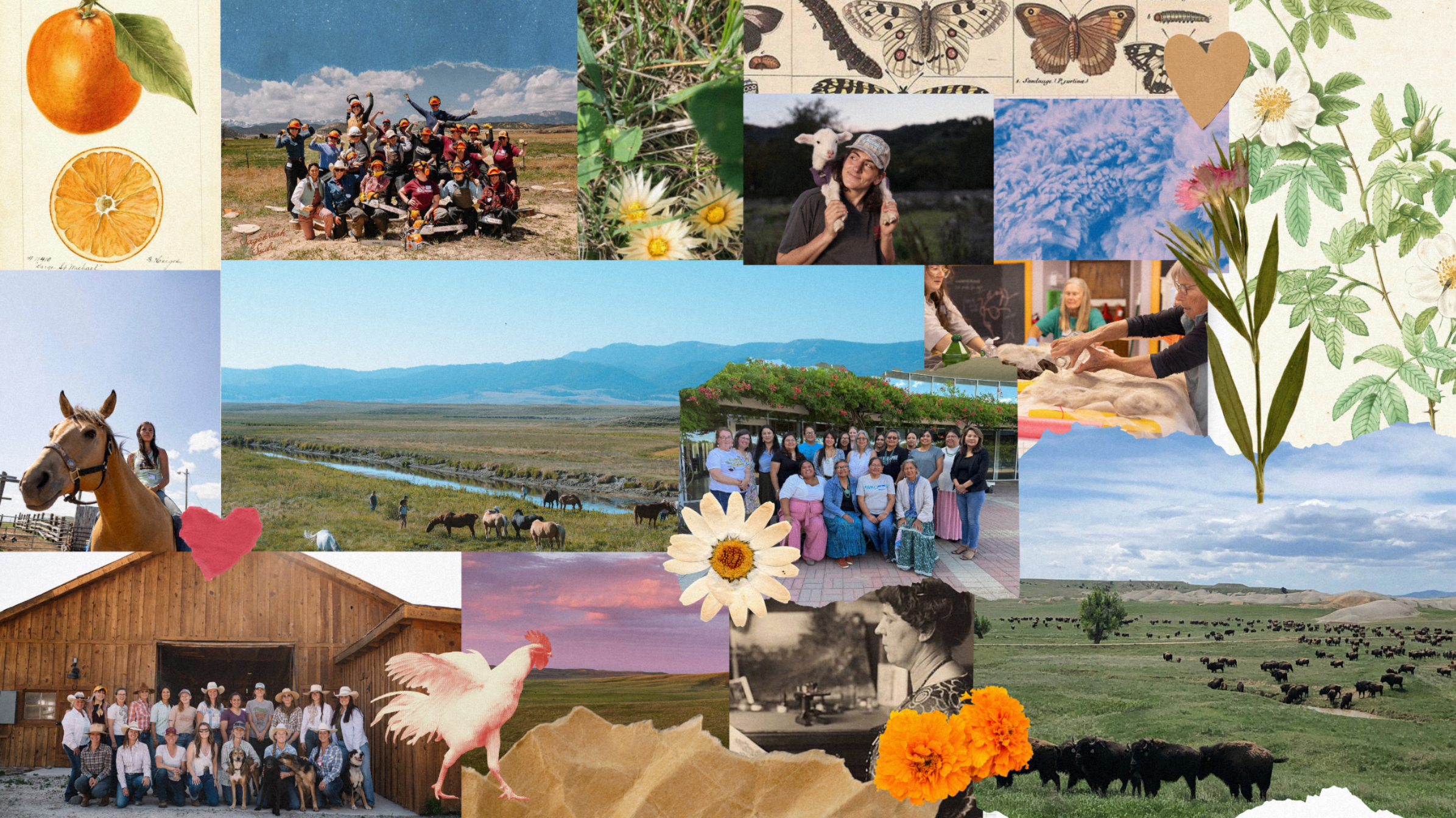
Our Galentine’s gift to you >> We’ve compiled some of our contributor stories and in-house features from the years to reshare with you.
During a Ranch Management Weekend on the 777 Bison Ranch in South Dakota, WIR participants toured the Ranch with Mimi Hillenbrand, learning about bison management, land stewardship, and sustainable practices. The Bison Ranch, which has been in her family for 40 years, is known for its holistic approach to raising bison. Mimi and her team demonstrated how their careful management has led to increased biodiversity and ecosystem health over 38 years.
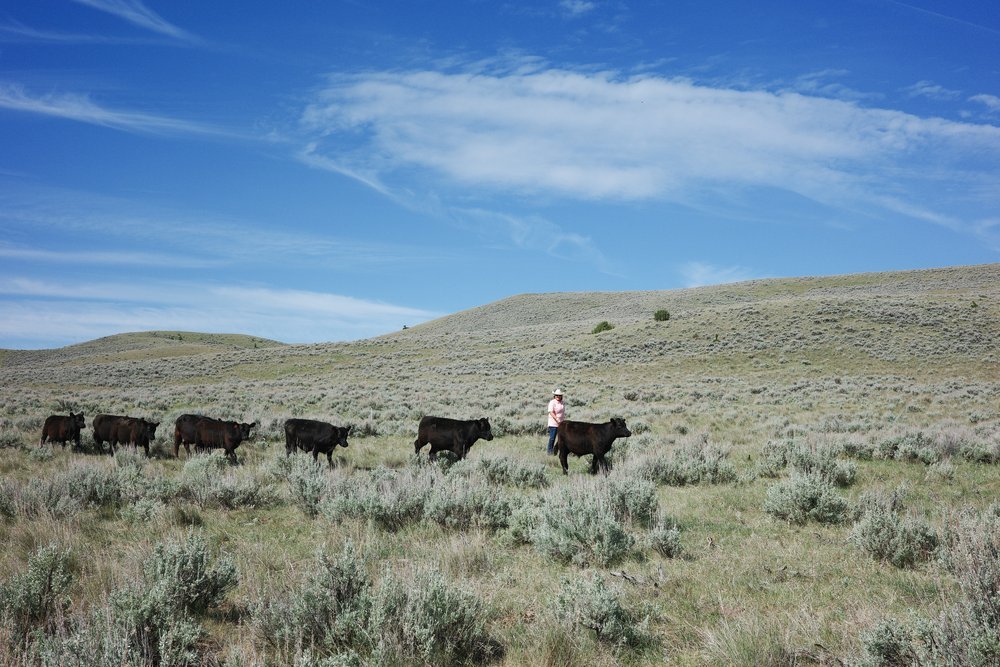
At the Old Salt Festival in Helmville, Montana, livestock handling expert Dawn Hnatow demonstrated her innovative approach to cattle management. Drawing from methods learned from mentor Bud Williams, she emphasized the importance of low-stress handling techniques and understanding animal behavior. Through her work at Cattle Up Stockmanship, she continues to teach that effective livestock handling requires patience and self-awareness rather than force, leading to better outcomes for both ranchers and their animals.
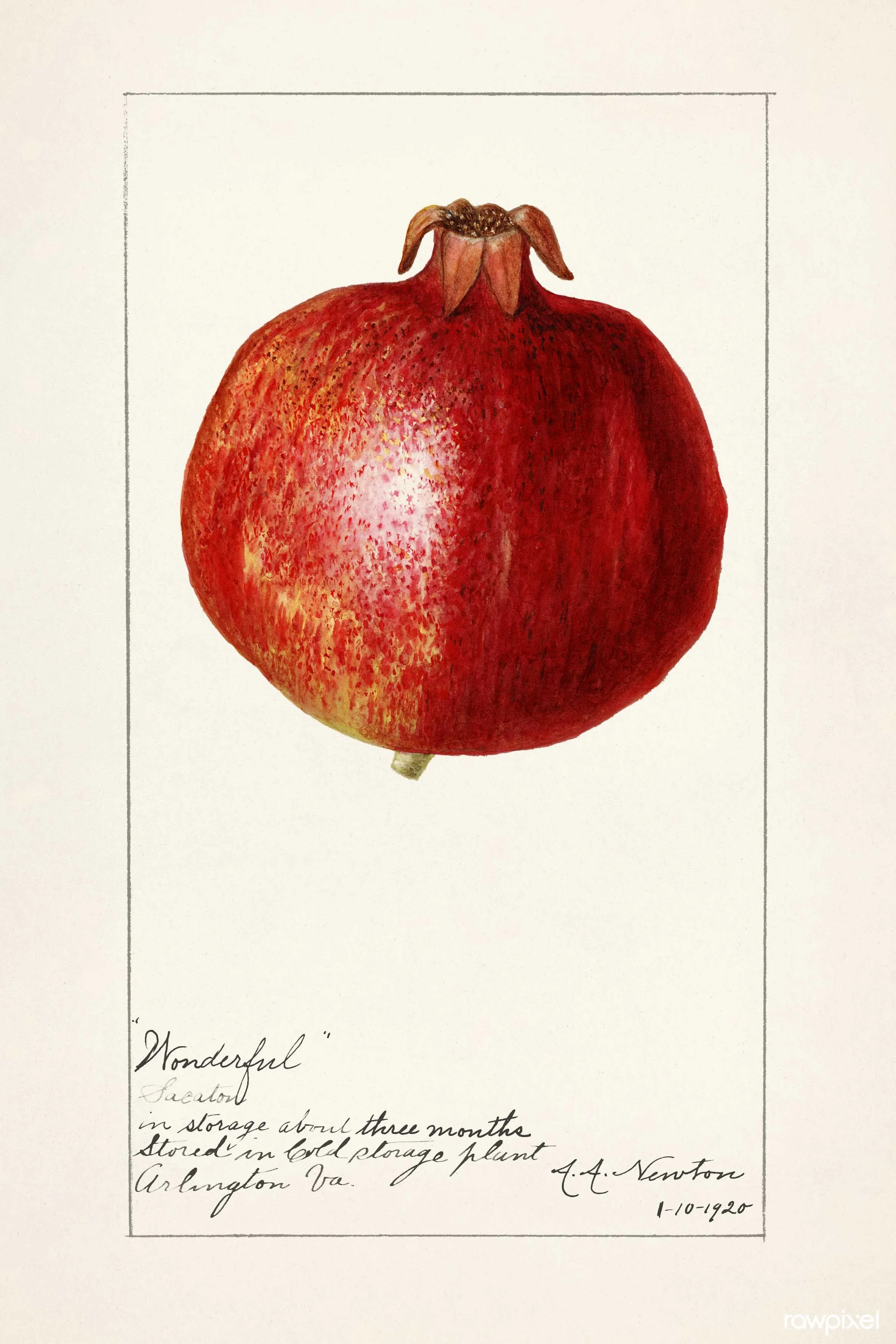
The USDA's Division of Pomology began a significant botanical illustration project in 1887, commissioning artists to create detailed watercolor paintings of fruit varieties for use in agricultural publications. While photography existed, it couldn't capture true colors, making hand-painted illustrations more valuable for accurate documentation. Three women artists were particularly notable in this endeavor: Deborah Griscom Passmore, Amanda Almira Newton, and Mary Daisy Arnold, who collectively produced over half of the collection's watercolors.

The Spirit of the Horse Leadership Camp was held in July at the Archie St. Goddard Ranch near Browning, Montana. Organized by Women in Ranching and Sapoo Horsemanship, with support from several organizations,the gathering was created to support and empower Blackfeet girls aged 10-14. The program combined horsemanship training with Blackfeet cultural education and leadership development.
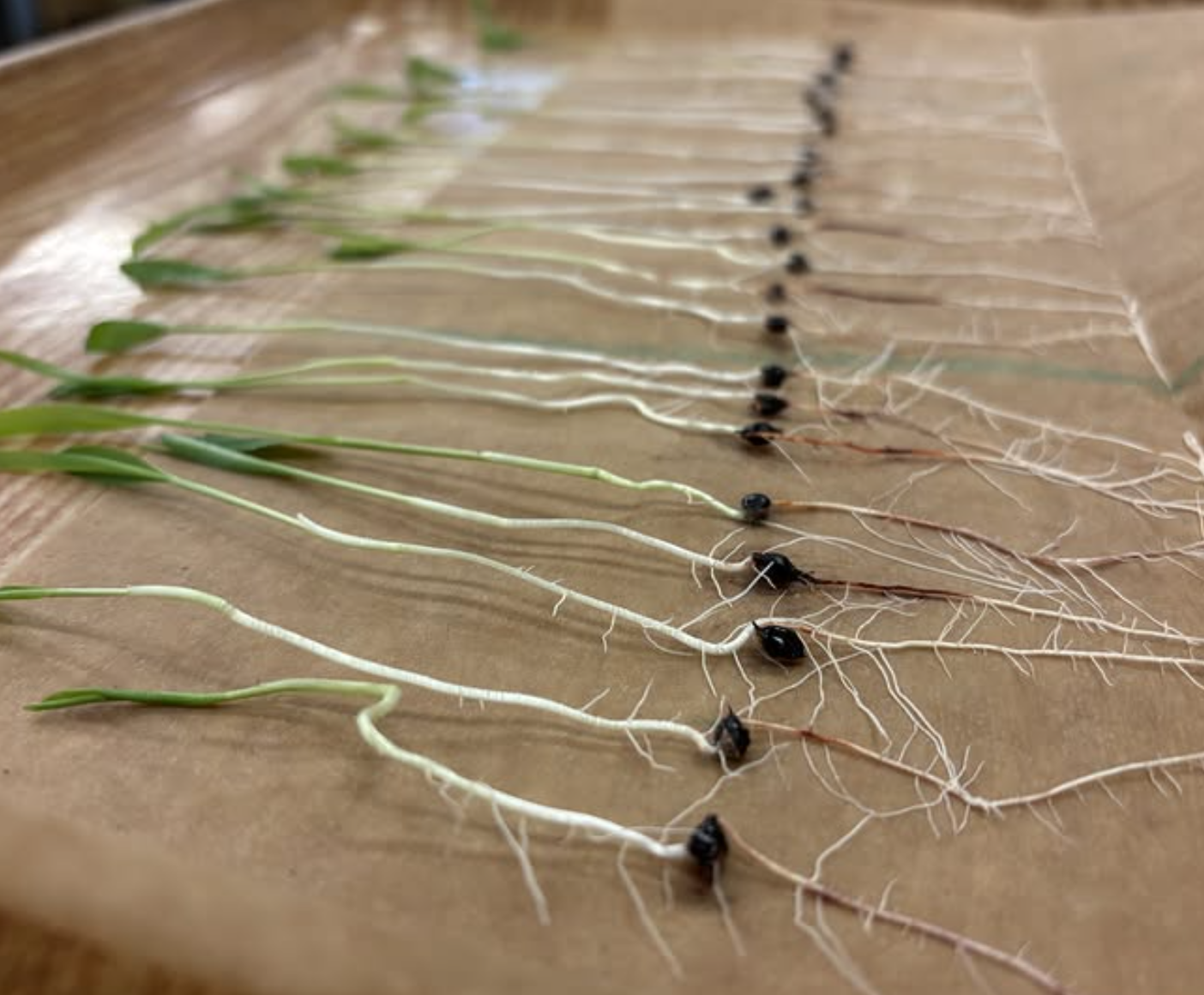
WIR explored the work of Native Seeds/SEARCH, a Tucson-based nonprofit that has preserved over 1,800 varieties of native Southwest seeds for more than 40 years. The organization works in partnership with Indigenous communities and regional farmers to maintain seed sovereignty, ensuring access to drought-tolerant beans, heirloom corn, and other traditional crops for future generations.
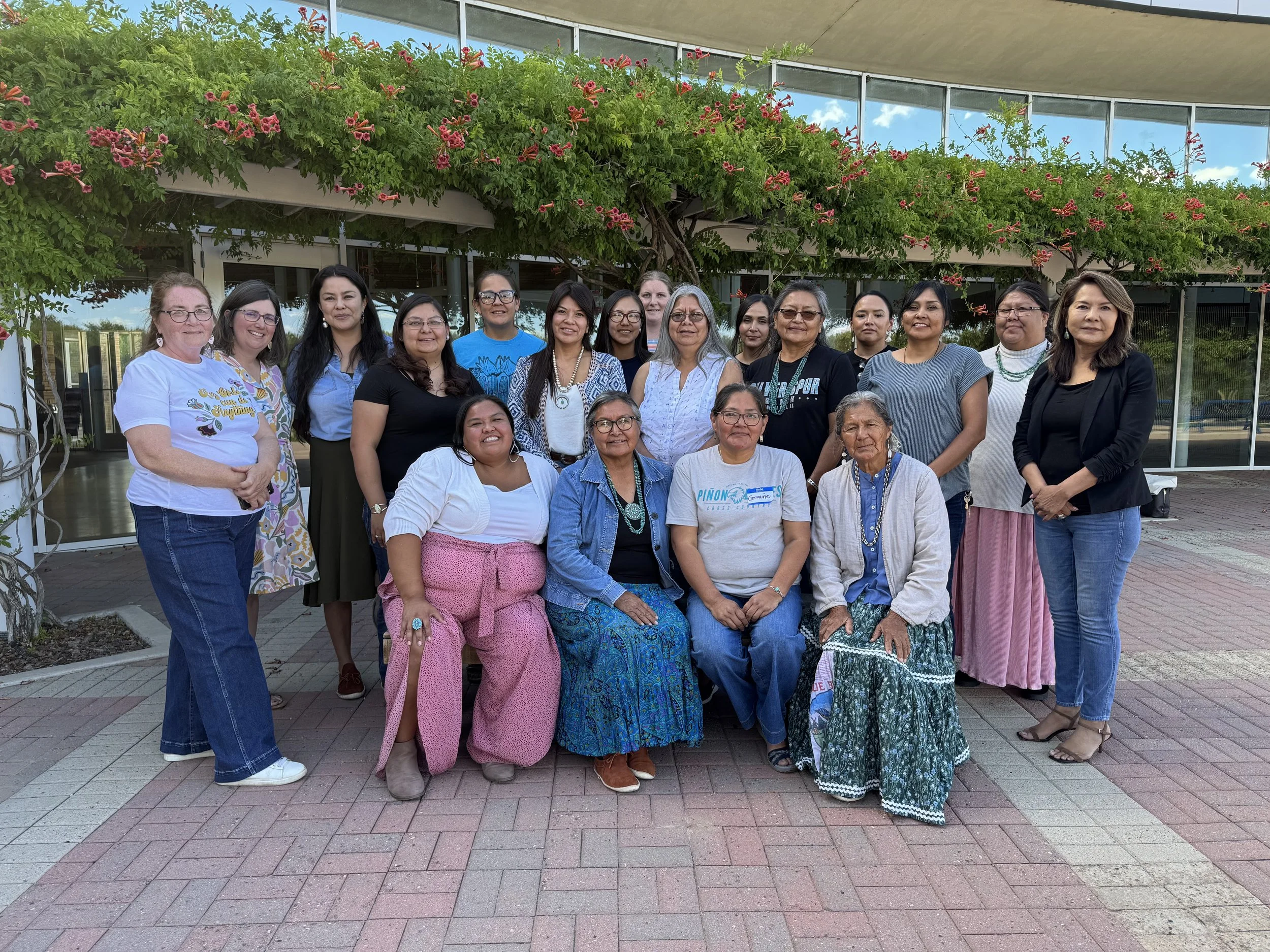
As part of WIR's Rooted in the Land program, Navajo women gathered in Farmington, New Mexico to develop an action plan addressing desertification and drought on the Navajo Nation. The collective of ranchers, weavers, and business leaders convened to discuss land stewardship, language, governance, and community resilience, unified by their commitment to protecting their land and ensuring their people never go hungry.
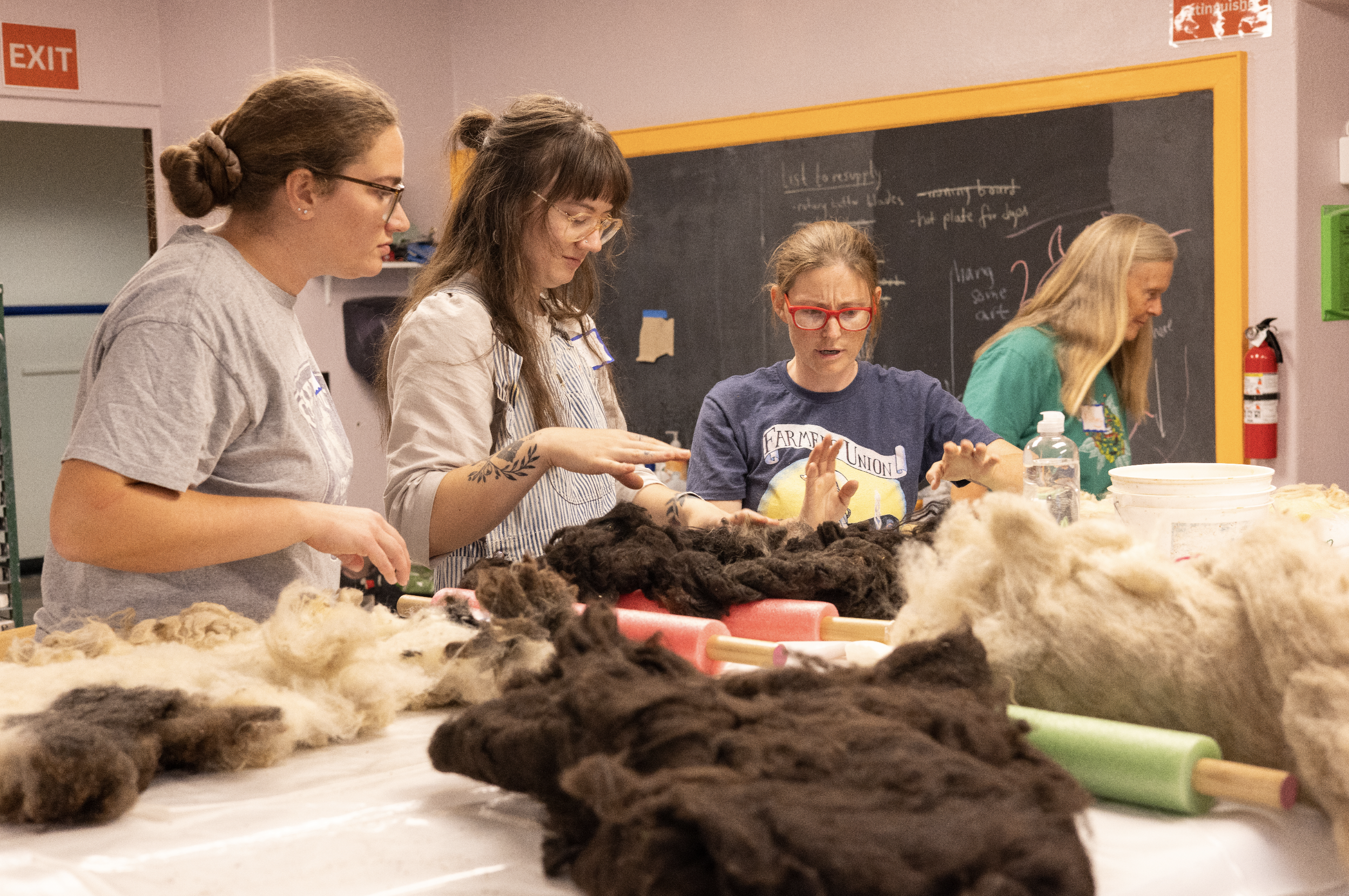
Through WIR's Community Re-Grant program, BJ Edwards of Taste of the Wind LLC hosted a wet felting workshop for Wyoming women using wool from her Icelandic sheep flock. Eleven participants learned to transform raw wool into functional seat covers, while the project supported four other local women entrepreneurs and helped BJ develop both in-person and online course materials for teaching this traditional fiber craft.
Diane Anastasio, a line dance instructor and Shepard created The Roundup, a submission-based newspaper documenting queer country dance culture across the US. Born from a desire for tangible community connection similar to their earlier work in punk print media, the publication serves as a living archive celebrating queer presence in country culture and creating space for belonging outside digital platforms.
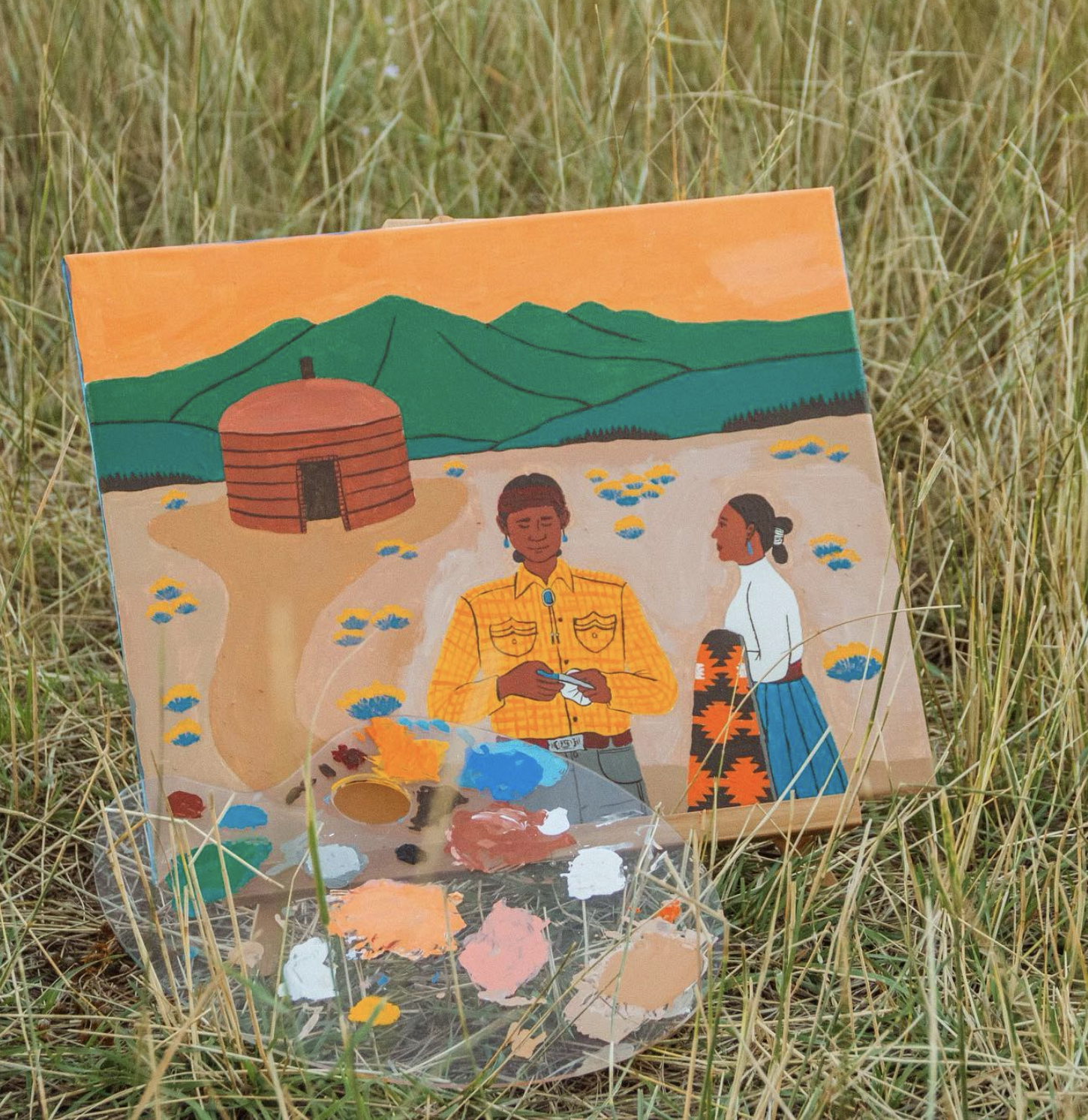
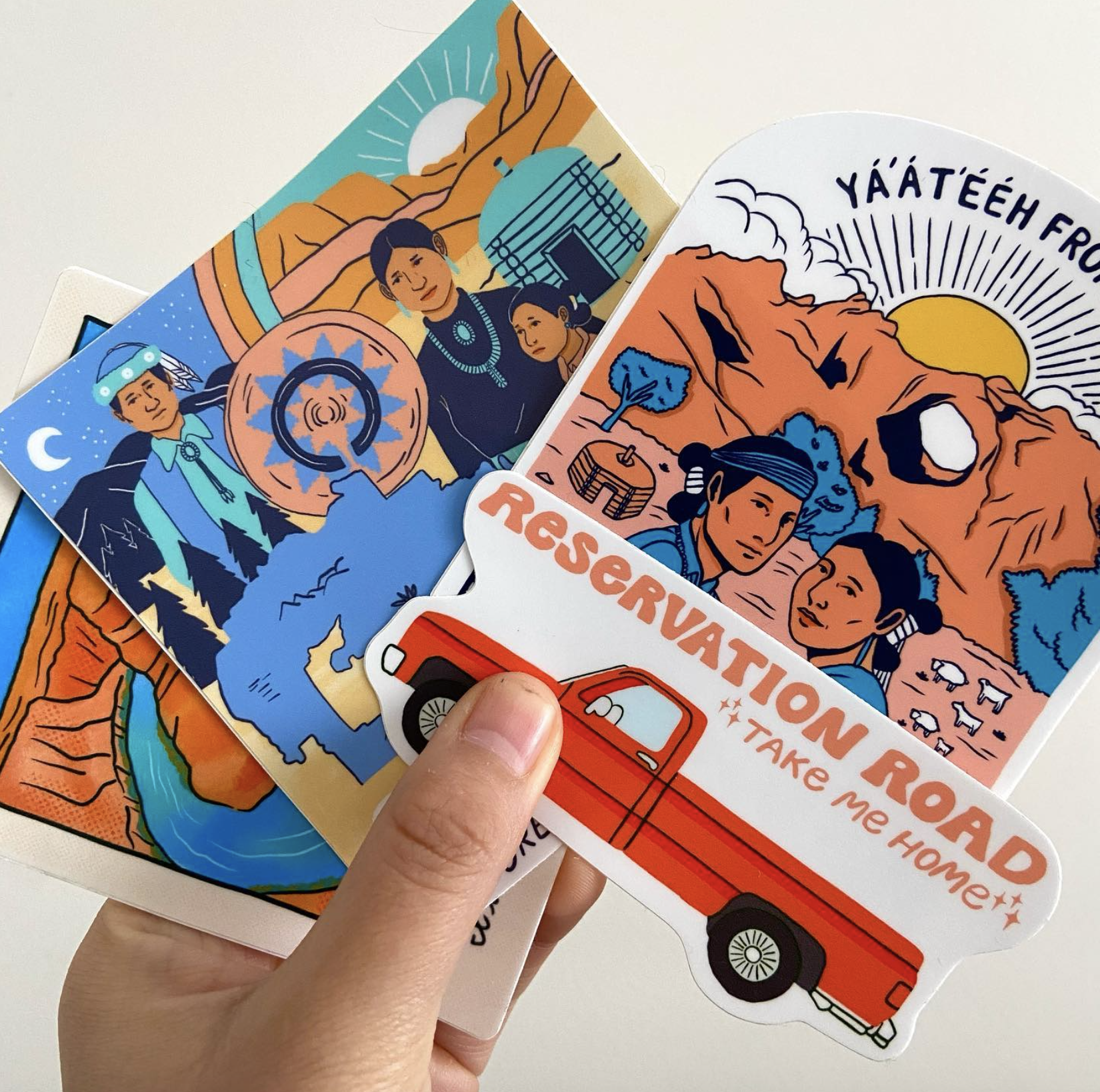
Designer and illustrator Lynne Hardy discussed how her Navajo heritage and childhood experiences with color and creativity shaped her artistic career. After receiving an Adobe Artist Development Fund grant in 2021, she launched Ajoobaasani with her sisters, creating vibrant designs that celebrate Navajo culture. Lynne created custom illustrations for WIR's Rooted in the Land program, using her art to challenge Western beauty standards and provide representation for Indigenous identity.

Nancy Hernandez, miembro de la junta directiva de WIR, exploró la historia y evolución del Día de Muertos, una de las celebraciones más emblemáticas de México. Contrario a la creencia común, la festividad fue introducida por misioneros cristianos en el siglo XVI pero fue adaptada por comunidades indígenas que la fusionaron con tradiciones ancestrales de culto a los muertos. Hoy en día, la celebración ha evolucionado para incluir mascotas, niños y adultos que llegan en diferentes días, con familias creando altares, limpiando tumbas y reuniéndose en cementerios para recordar a sus seres queridos y celebrar la resiliencia de la cultura mexicana.