Saving the Seeds of the Southwest
by Sophie Tsairis
November 24th, 2025
For more than four decades, Native Seeds/SEARCH has worked in the desert Southwest, tending not just to seeds, but to relationships with farmers, land and generations of Indigenous communities who have cared for these crops since time immemorial.
Founded in 1983 by a small group of students including a plant scientist, anthropologist, and ethnobotanist, the Tucson-based nonprofit emerged in response to growing alarm around the loss of native seed diversity in the Southwest and northern Mexico. As large-scale industrial agriculture expanded and fewer younger generations continued farming, the region’s native seeds and the foodways, stories and resilience they carried were at risk of disappearing.
“We’ve been around for a little over 40 years,” said Justin Risley, communications coordinator at Native Seeds/SEARCH. “The organization started when our founders were working on food security projects with Indigenous communities. Elders were expressing concerns about crop varieties being lost…we began accepting and preserving the seeds that communities were willing to share.”
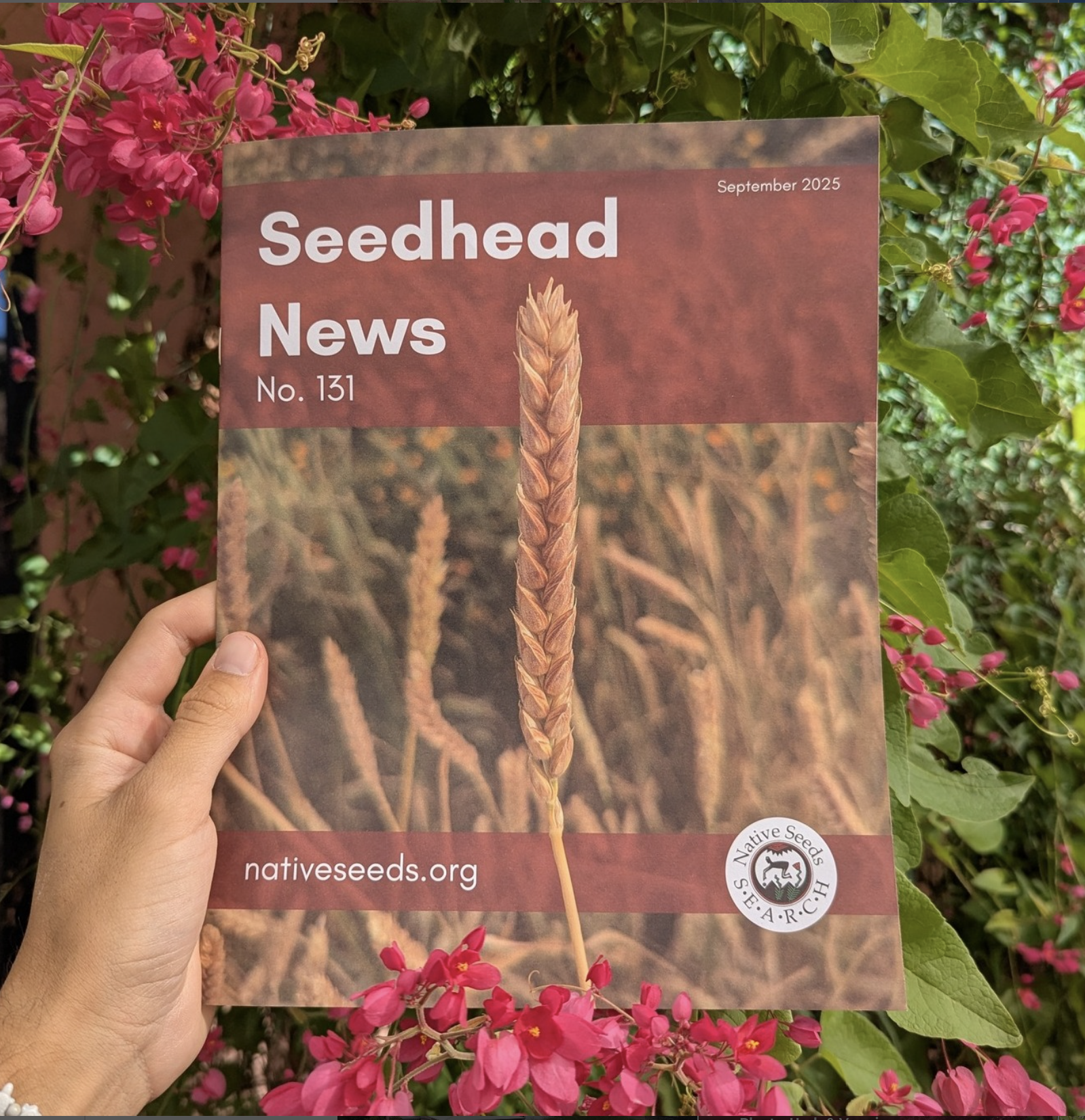
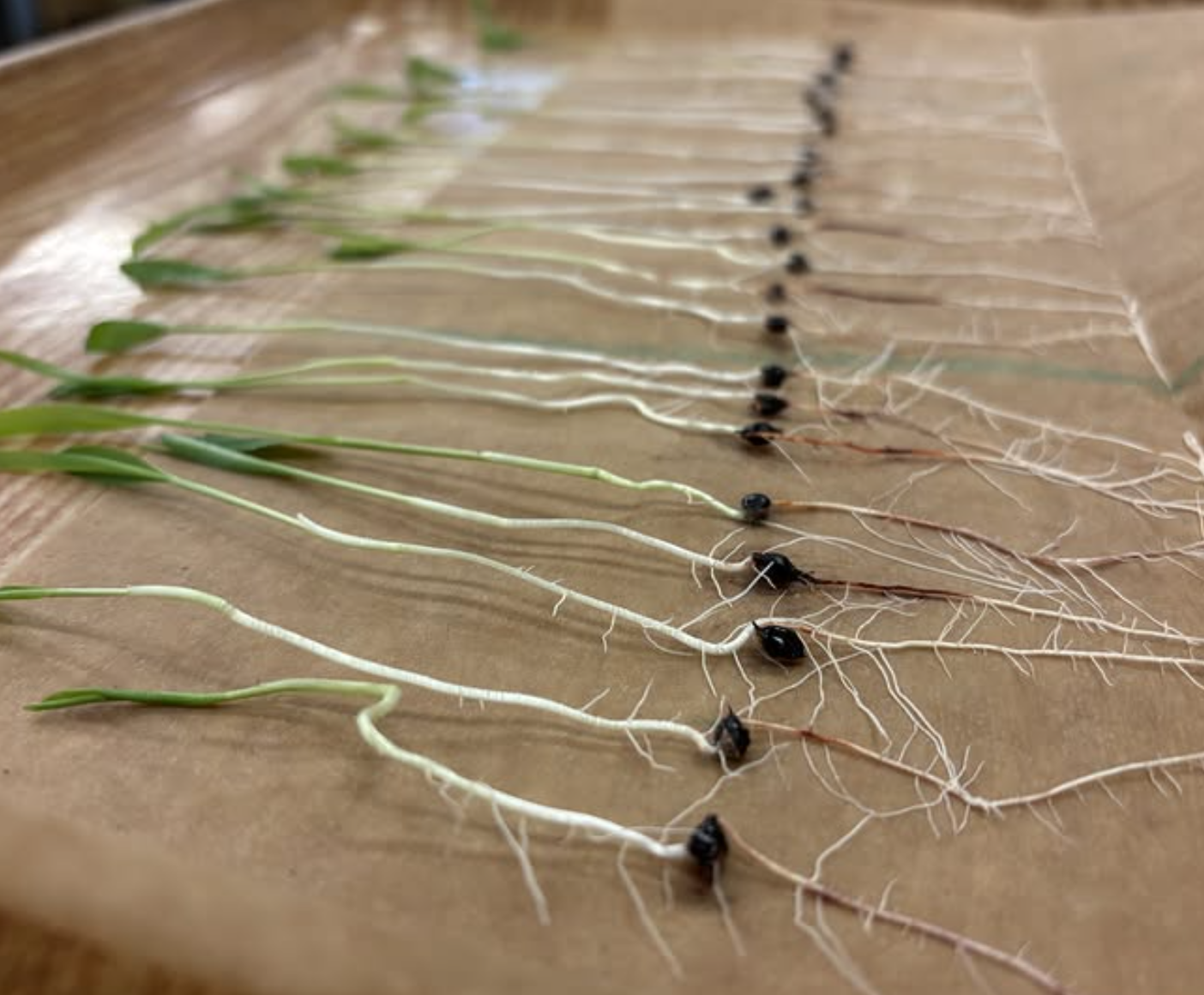
From those early collaborations, Native Seeds/SEARCH has grown into one of the most significant regional seed conservation organizations in North America. Its seed bank now holds more than 1,800 varieties native to the Southwest and northern Mexico, including drought-tolerant beans and squashes, heirloom corn, amaranth, and five distinct types of wheat.
The organization’s mission reaches beyond preservation of the seeds themselves. “The communities that have stewarded these seeds for centuries should always have access to them,” Risley said.
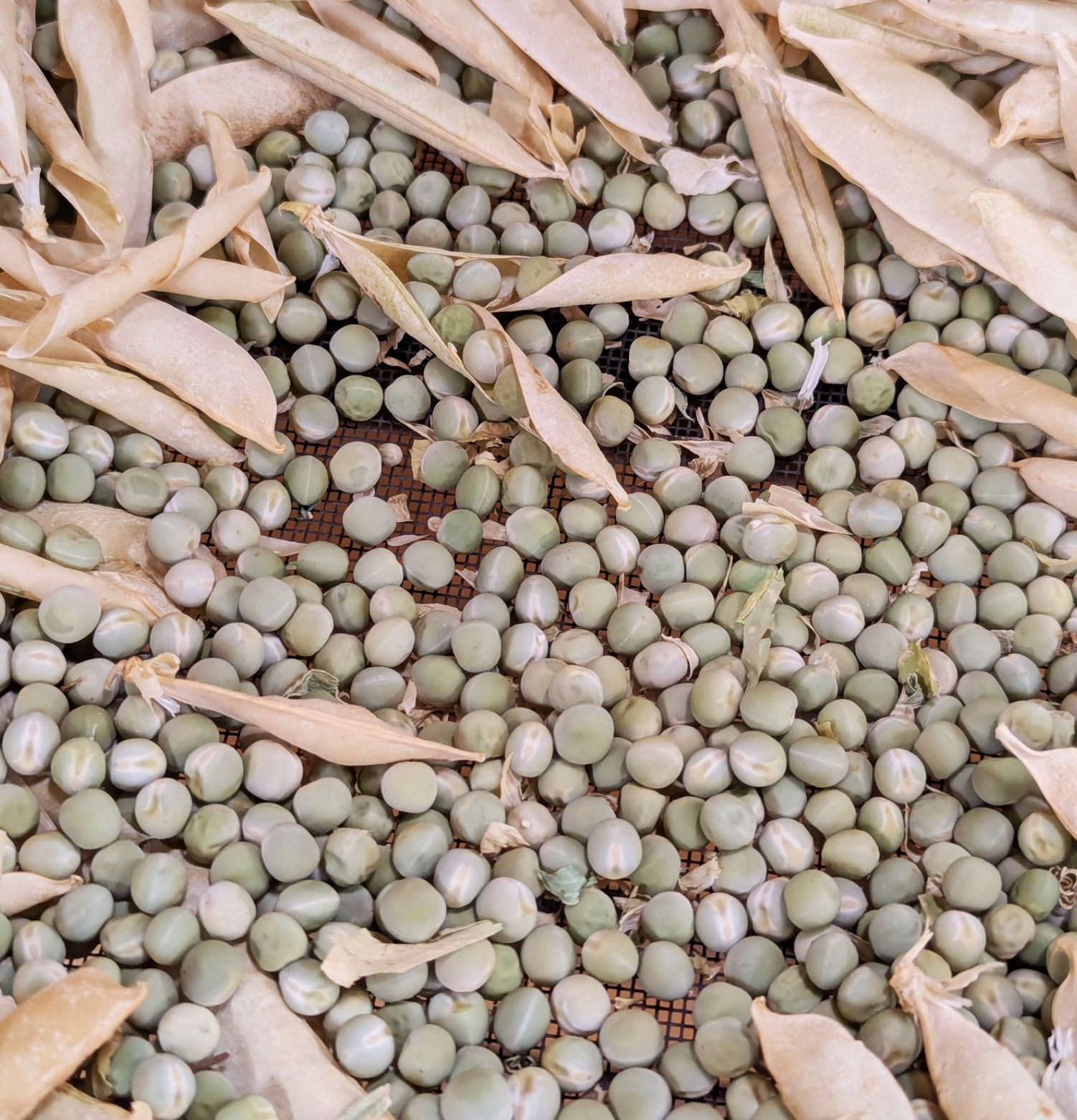
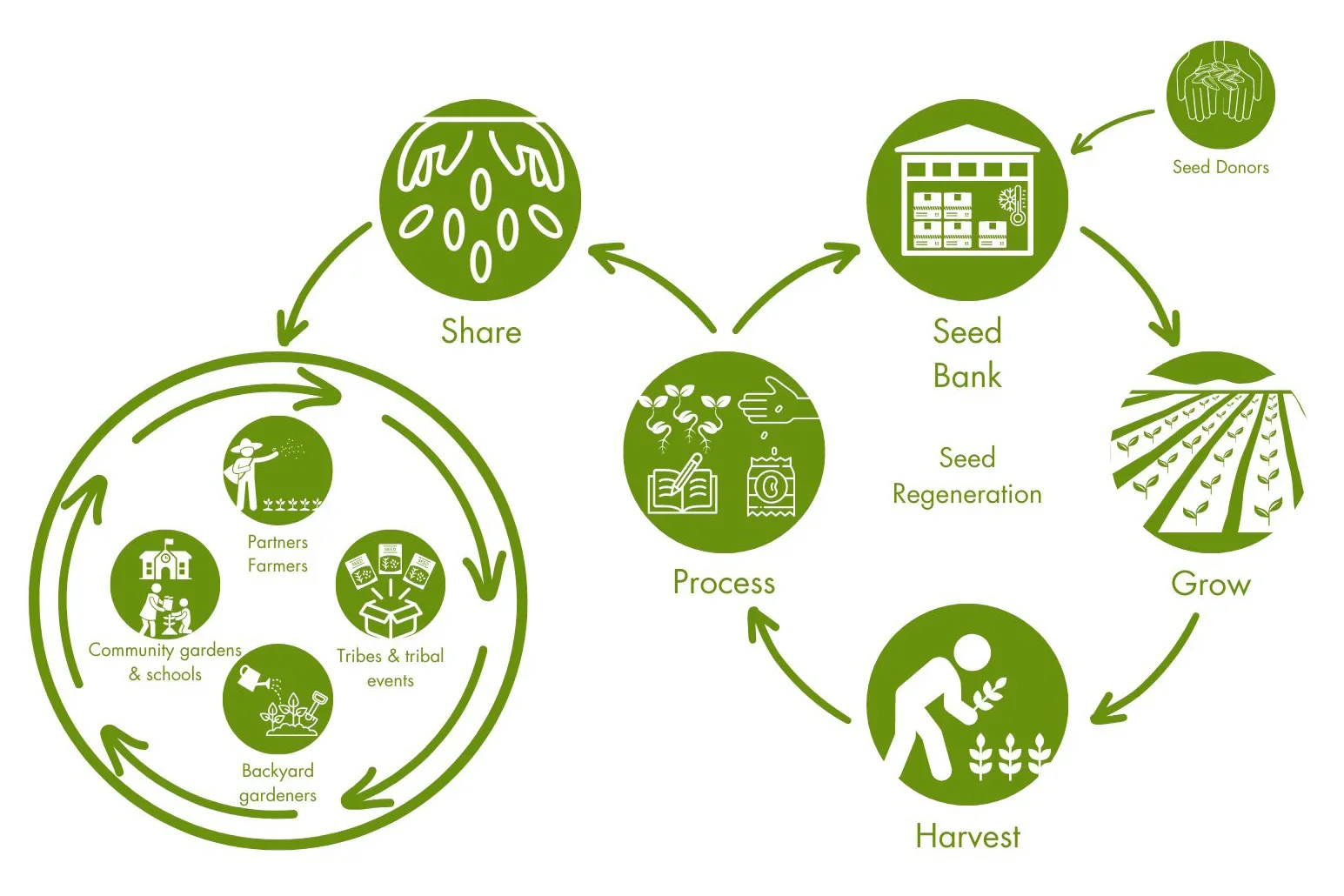
Native Seeds/SEARCH operates in partnership with farmers across the region, including Indigenous farmers who grow and regenerate specific varieties on their own land. The organization practices “ex situ” and “in situ” conservation. The seeds are stored in cold, dry storage rooms. Every seven to ten years, most varieties are “grown out” to maintain their viability and adapt to the changing climate through cultivation, and farmers keep a share of the harvest.
This cyclical relationship between preservation and use strengthens what is called seed sovereignty. It’s the ability of communities to control their own seeds, agriculture and food futures. "The vision of the organization is that our seed bank could become a secondary or back up seed source as more communities create their own,” said Risley. “We see ourselves as a resource in facilitating that process."
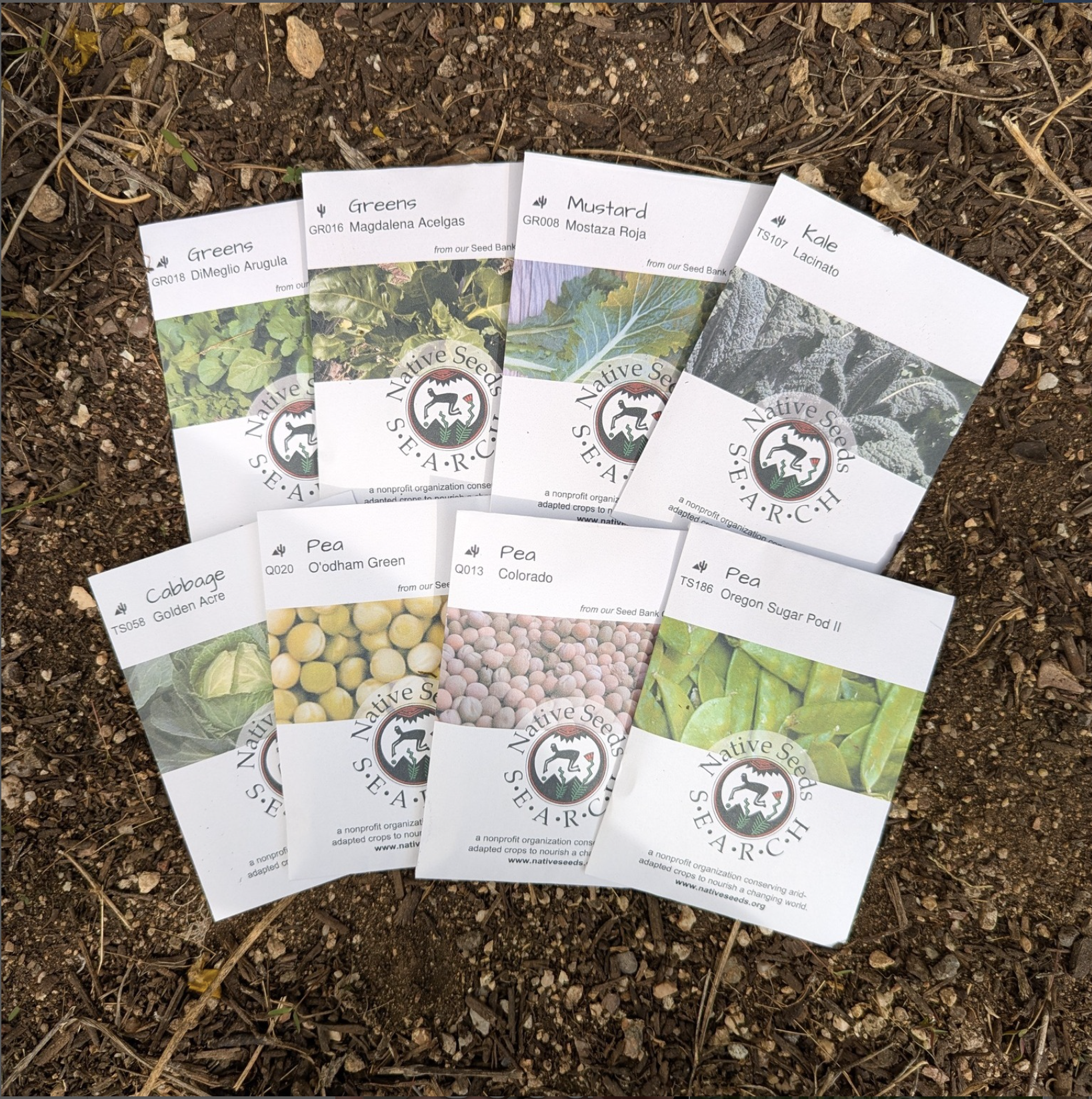
One of the organization’s programs is its Native American Seed Share, which offers up to fifteen free packets per household, per year of regionally adapted seeds to eligible growers and prioritizes Native communities across the Southwest. Another initiative, the Community Seed Grant, supplies seeds to schools and educational projects that are teaching the next generation of gardeners and farmers.
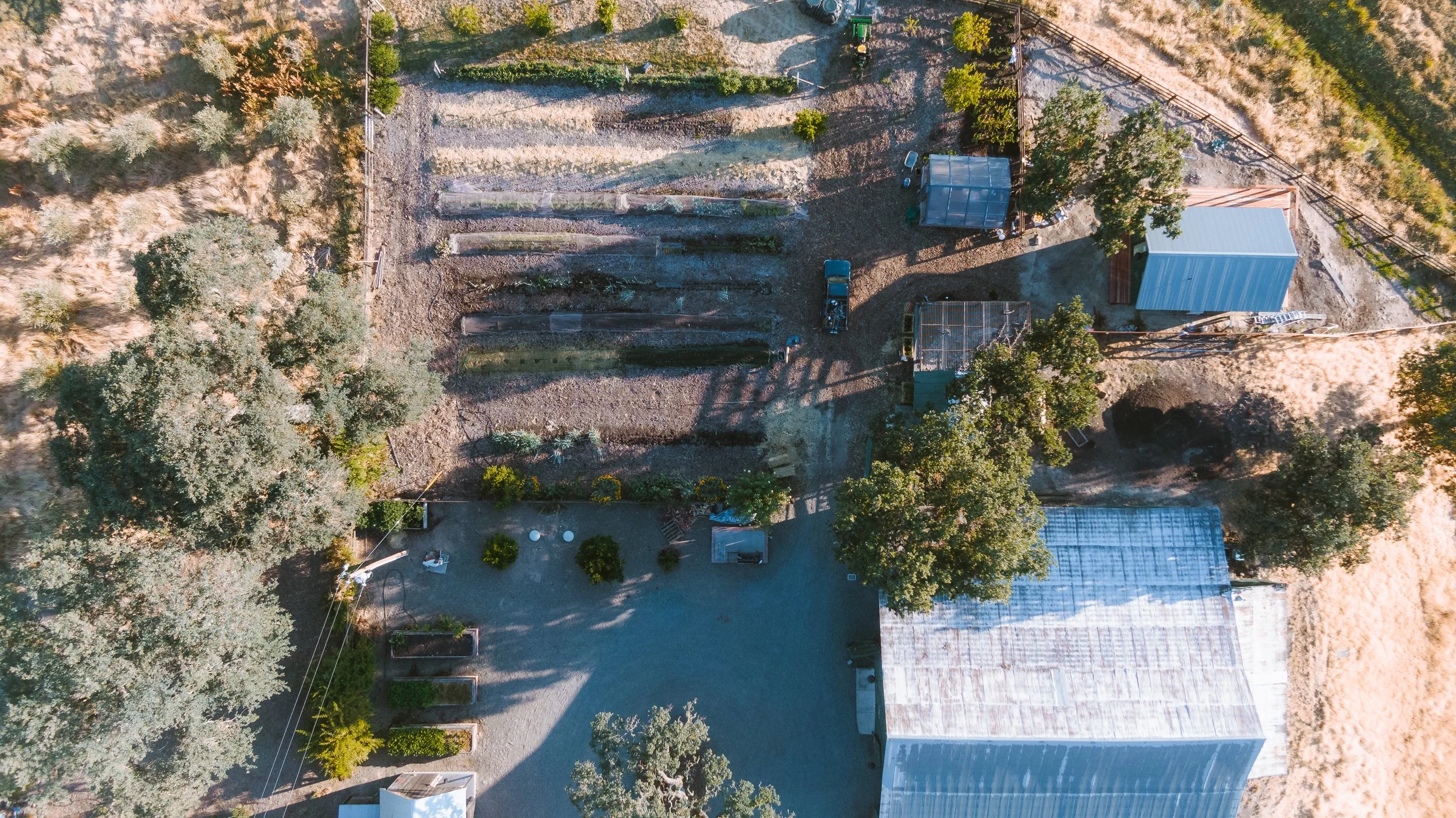
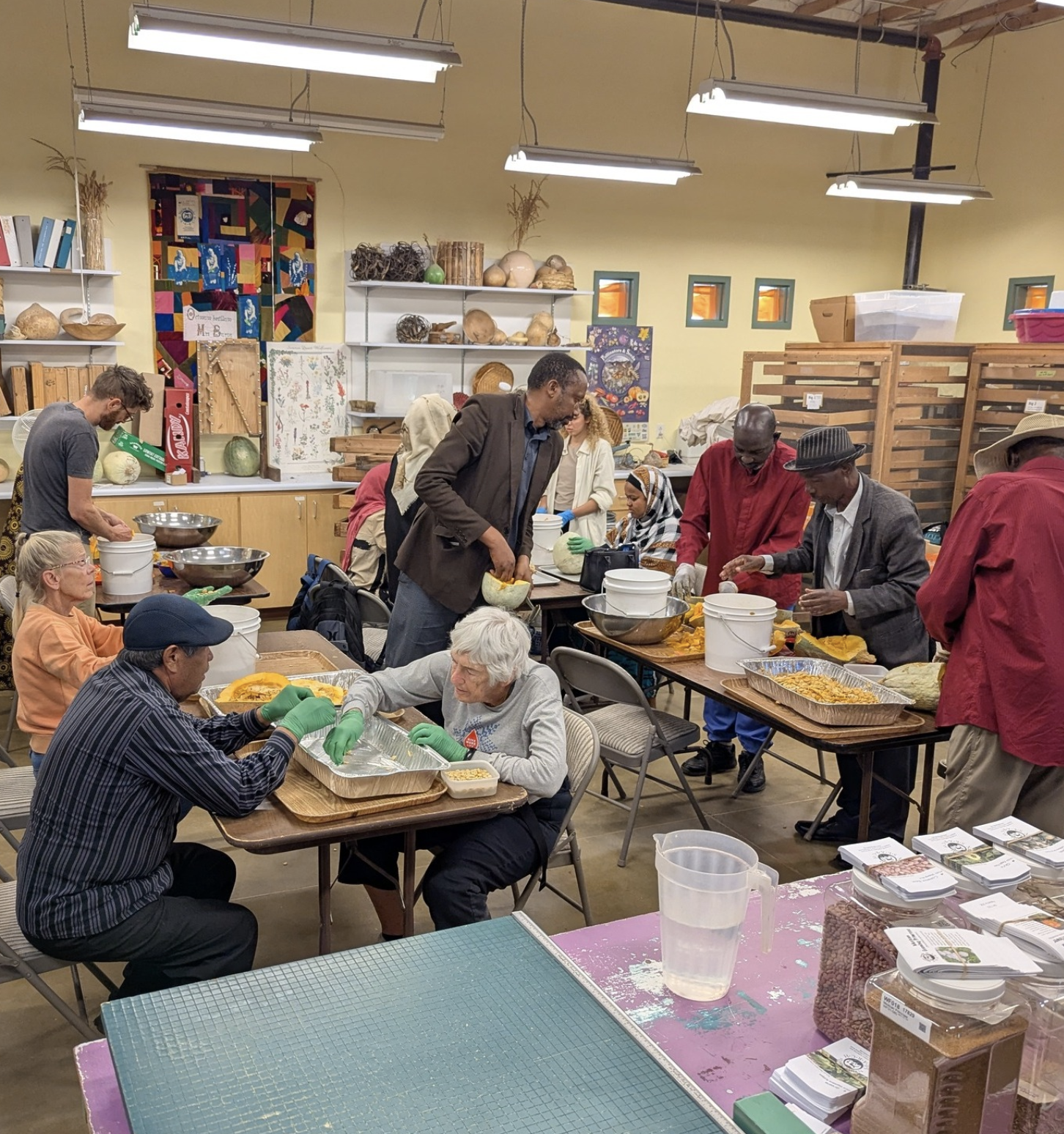
That stewardship extends to the Tucson farm and seed lab, where staff and volunteers clean, process, and pack thousands of seed packets by hand. “Every packet that goes out has been touched by a volunteer,” Risley adds. “We only have 16 people on staff, so our volunteers are crucial.”
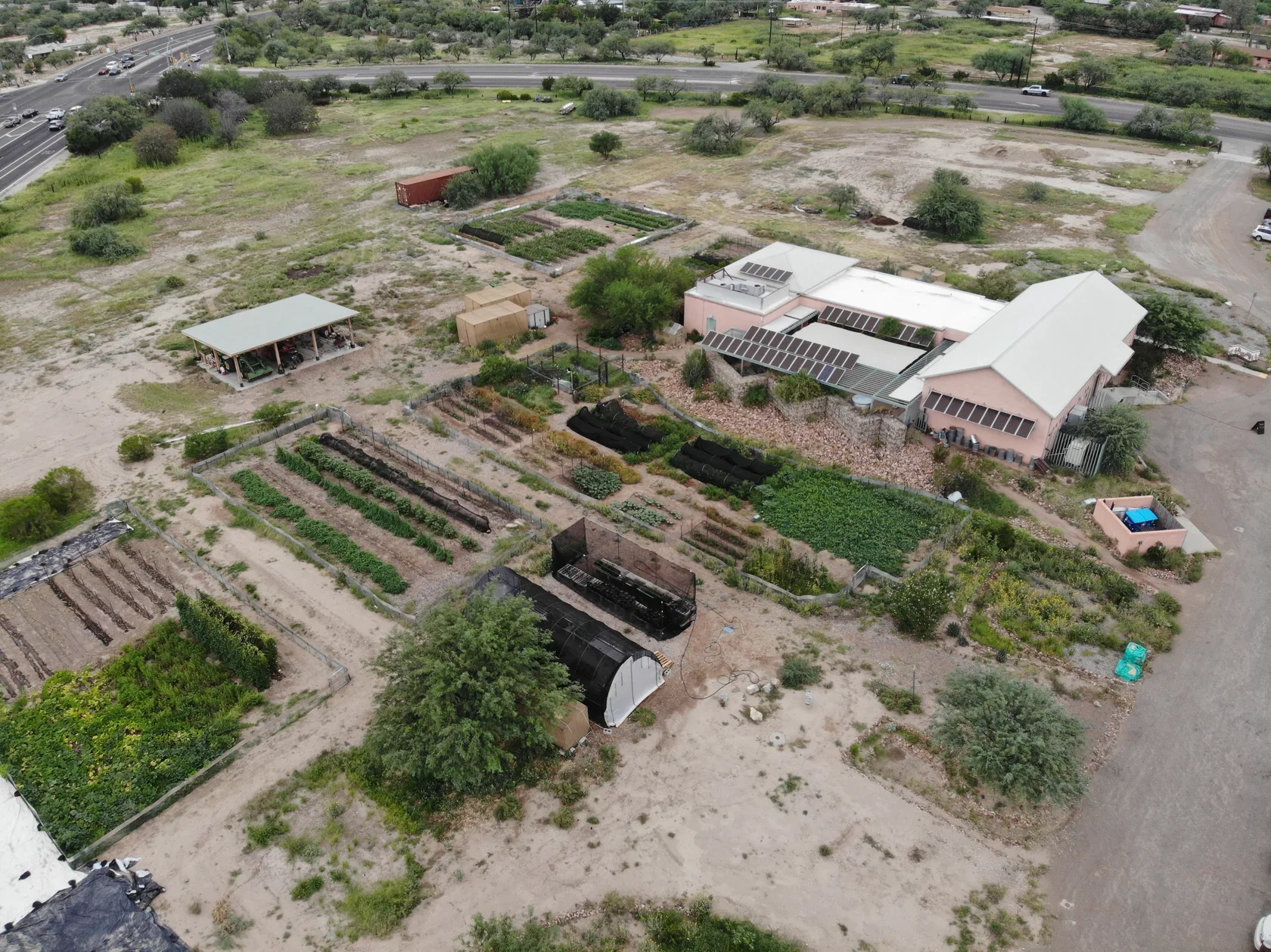
Inside the seed bank, seeds rest in a climate-controlled storage room. Outside, rows of desert crops grow under the Arizona sun, some protected by isolation tents to prevent cross-pollination. Here, the focus is on the balance of maintaining genetic integrity while letting the plants continue to evolve in their environment.
By the 1990s, it was estimated that 70 to 80 percent of the world’s edible plant varieties had been lost as a result of colonization, the displacement of Indigenous peoples from their lands, and the rise of hybridized, high-yield crops during the Green Revolution. “You might have a strong hybrid variety,” Risley explained, “but it’s not always resilient to drought or changing conditions. When we rely on a single crop or seed type, we lose the diversity that keeps our food systems healthy.”
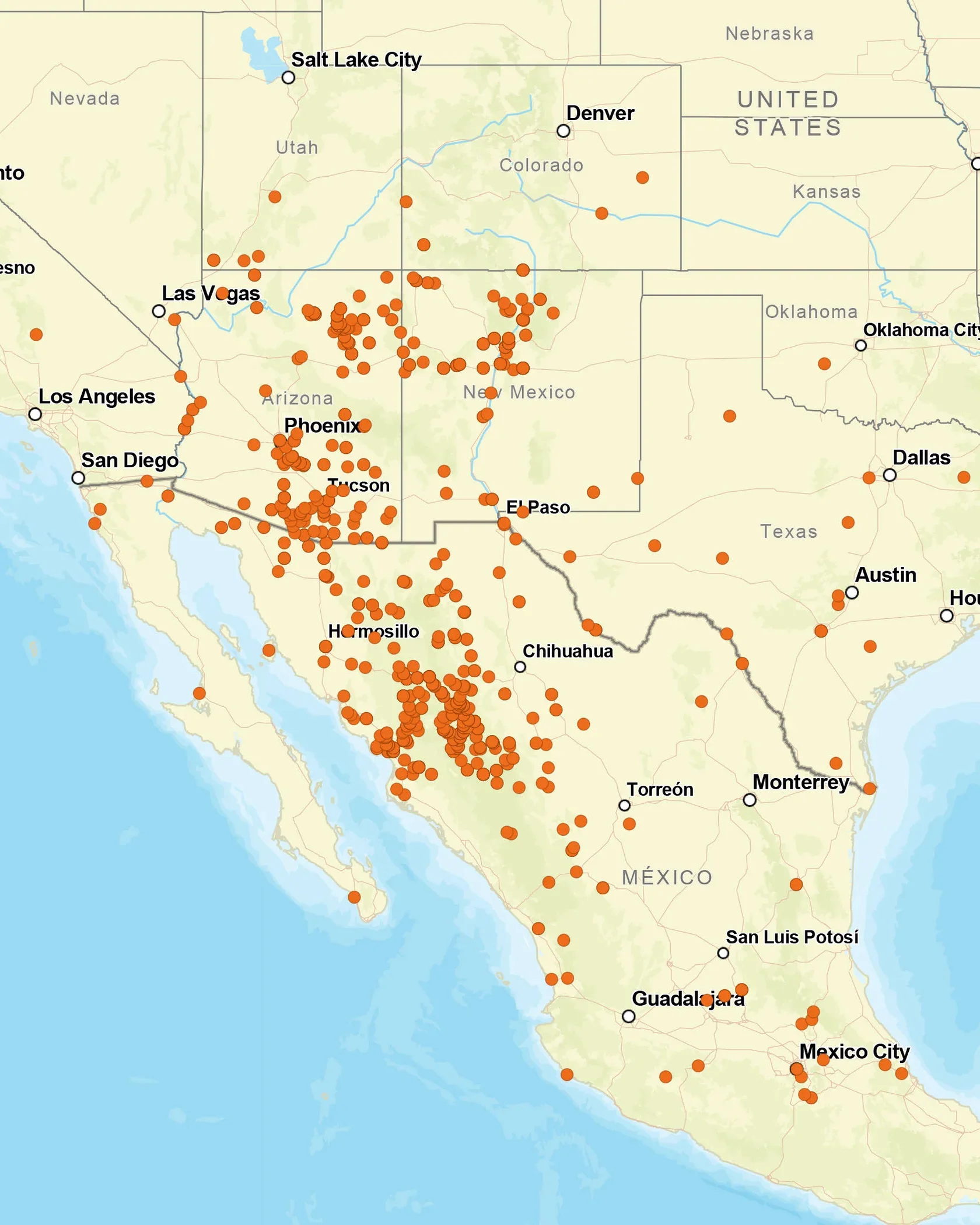
Today, Native Seeds/SEARCH continues to evolve. The team recently launched a digital Story Map and guidebook, highlighting seed banks and farming partners across the Southwest. Their Tucson farm is expanding, with a new barn under construction and conference rooms literally filling up with drying squash from the latest grow-outs.
For more information about Native Seeds/SEARCH, or if you’re interested in buying seeds, volunteering or looking for some high-desert gardening resources, check out the organization’s website or find them on social media: @nativeseedssearch