The Global Gathering of Pastoralist Women
Written By Nancy Hernandez-Rodriguez
During my training as an ecologist, I began working with wildlife and issues related to its conservation. At some point, I realized that much of the conservation work for the wildlife in the grasslands where I live was in the hands of the people who own and manage these ecosystems. Since then, I have dedicated myself to connecting, through various means, knowledge and management of wildlife with the production systems of northern Mexico.
In my journey with conservation, I worked with bison and had the opportunity to learn about the work of herders. This allowed me to understand the importance of recognizing, observing, and communicating with animals to achieve proper resource management, for the benefit of both animals and people.
There are diverse management practices in Mexico. In particular, the north of the country is an arid and desert region that, although adapted to support large cattle, has also shaped the lives of its inhabitants through water availability and the characteristics of its vegetation. People adapt to the resources available to them, the animals they live with, and the livelihoods they build around them. From this relationship arises culture, ways of life, and the constant pursuit of well-being and happiness.
Along this path, I also realized that, in many aspects related to bison management and ranching in general, I felt alone. It was during this search that I found Women in Ranching, an organization that not only supported me in moments of loneliness but also during difficult decisions. By providing me with a safe space, it taught me that managing natural resources doesn't have to be done only in the way we traditionally know it. It can also be built on support, collaboration, and collective learning.
At Women in Ranching, I learned that diversity could become a point of convergence. Thanks to this, as a Mexican, I had the opportunity to be part of its board of directors and later serve as one of the organization's co-presidents. I continue to learn and acknowledge that it hasn't all been easy; however, I consider this a space for creation, growth, and collective building, and it's currently one of the best places I could be.
A Global Movement
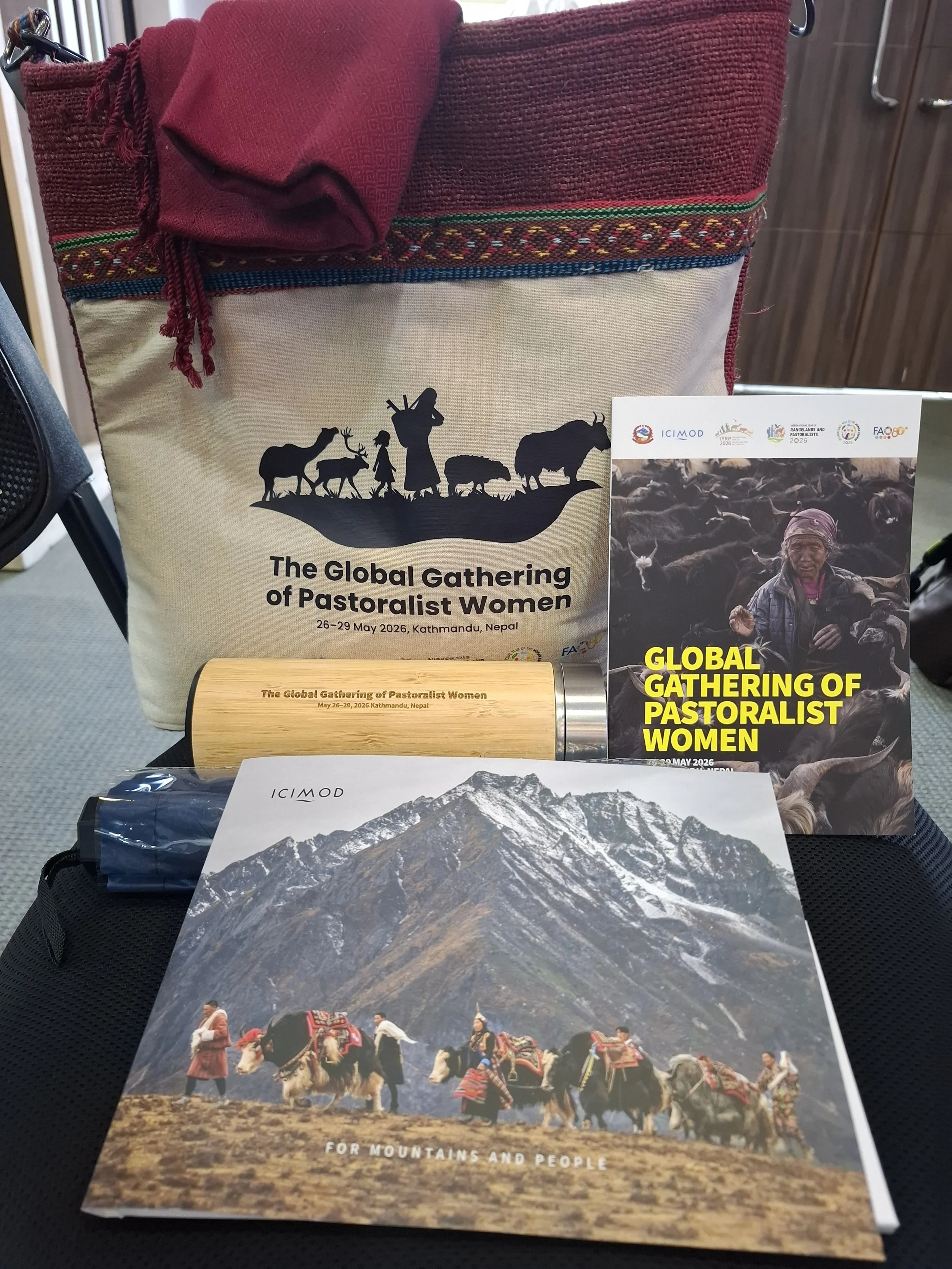
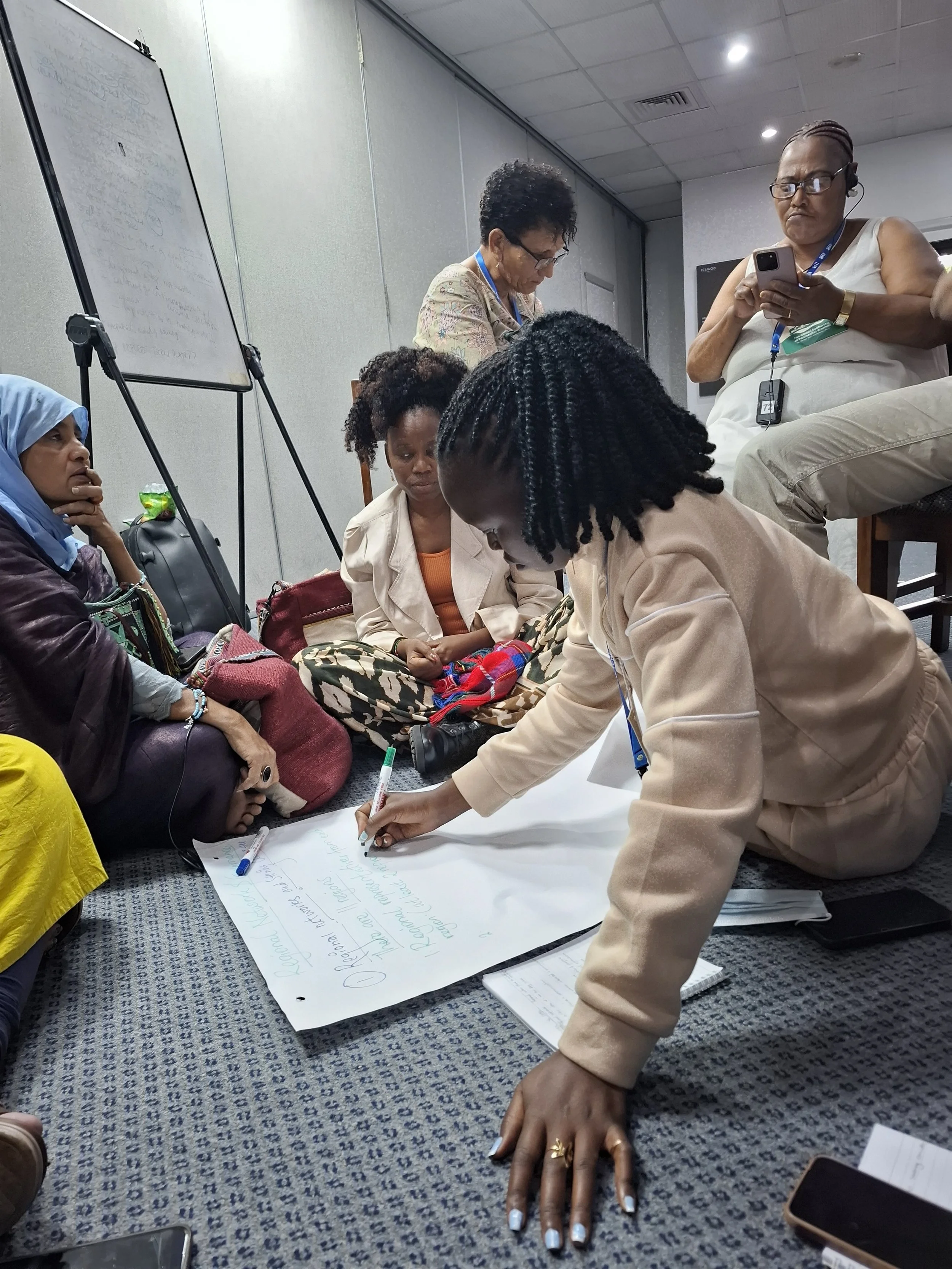
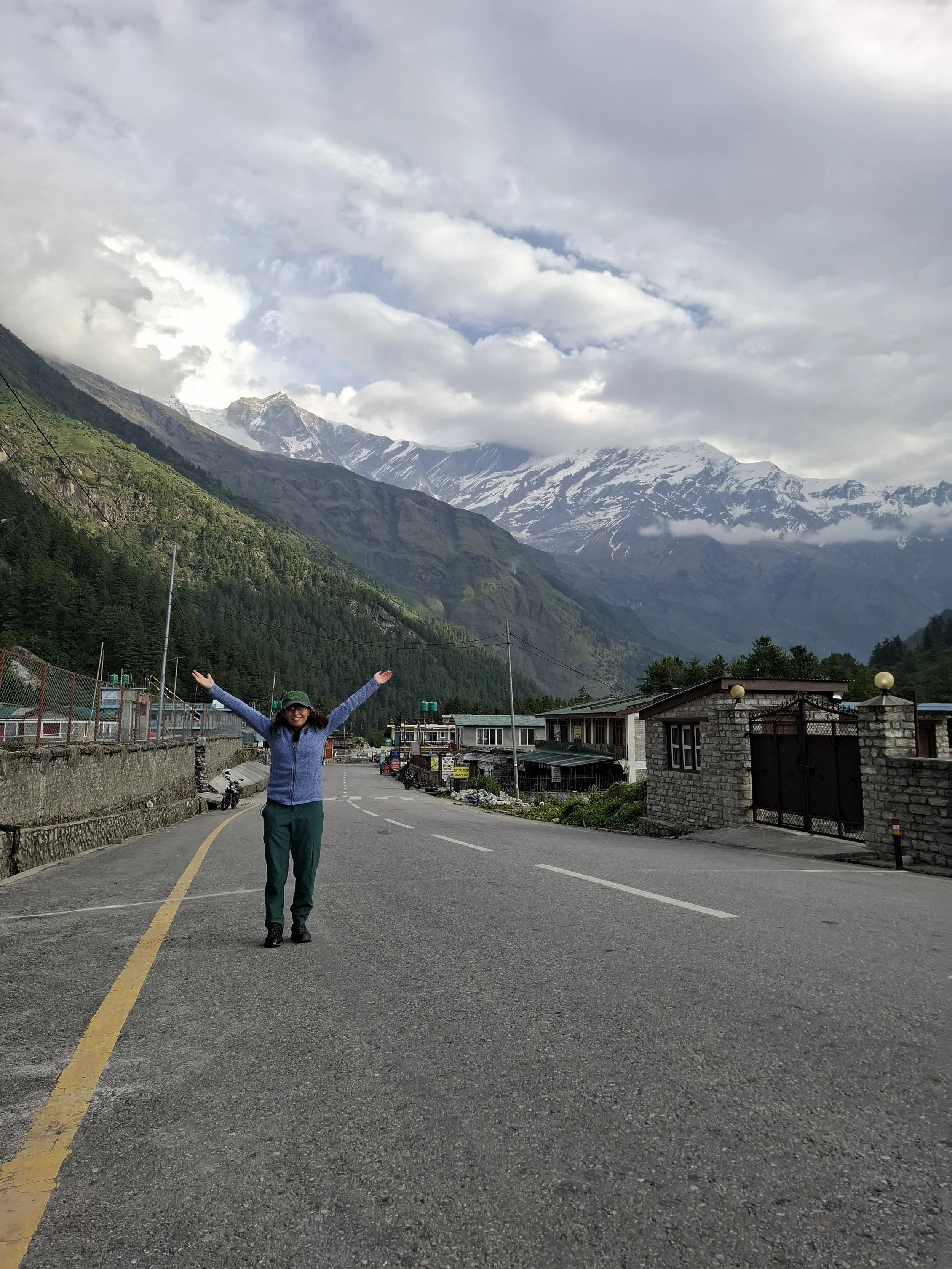
The Global Gathering of Pastoralist Women 2026 was an international gathering that brought together women pastoralists, livestock farmers, community leaders, researchers, and representatives of organizations from different regions of the world to reflect on the challenges and opportunities facing pastoral communities today. The event took place in May 2026 in Kathmandu, Nepal, and aimed to strengthen collaborative networks among women, share experiences, and build a common vision for the future of pastoralism.
This gathering also provided an opportunity to acknowledge the progress made since the Mera Declaration, held in India in 2010, considered one of the founding documents of the global pastoralist women movement. On that occasion, women from 31 countries established an international agenda focused on recognizing pastoralism as a legitimate profession and a way of life essential for the conservation of biodiversity, food security, and the sustainability of numerous ecosystems. Among their main demands were the right to mobility, access to land and natural resources, women's participation in decision-making, and education and health services adapted to mobile communities.
Over the past 15 years, these principles have given rise to numerous regional meetings and declarations in Europe, Asia, Africa, and Latin America. During the meeting in Nepal, experiences were shared on topics such as climate justice, the protection of pastoral territories, access to markets, women's leadership, the education of girls and young women, and the recognition of women's work in livestock and pastoral systems. The contribution of these communities to ecosystem conservation, the sustainable management of natural resources, and food production was also highlighted.
The participation of women from diverse cultural and geographical backgrounds made it possible to identify common challenges, but also innovative solutions developed locally. Despite regional differences, it was recognized that women pastoralists share concerns related to access to land and water, adaptation to climate change, the transmission of traditional knowledge, and the need for greater visibility of their economic and social contributions.
Beyond the technical and political discussions, the meeting represented a space for mutual learning, solidarity, and the building of international networks. Participants reaffirmed the importance of strengthening women's leadership in natural resource management and the governance of pastoral territories, recognizing that their experience and knowledge are fundamental to addressing environmental and social challenges.
June 22nd, 2026
Representing Mexico and WIR
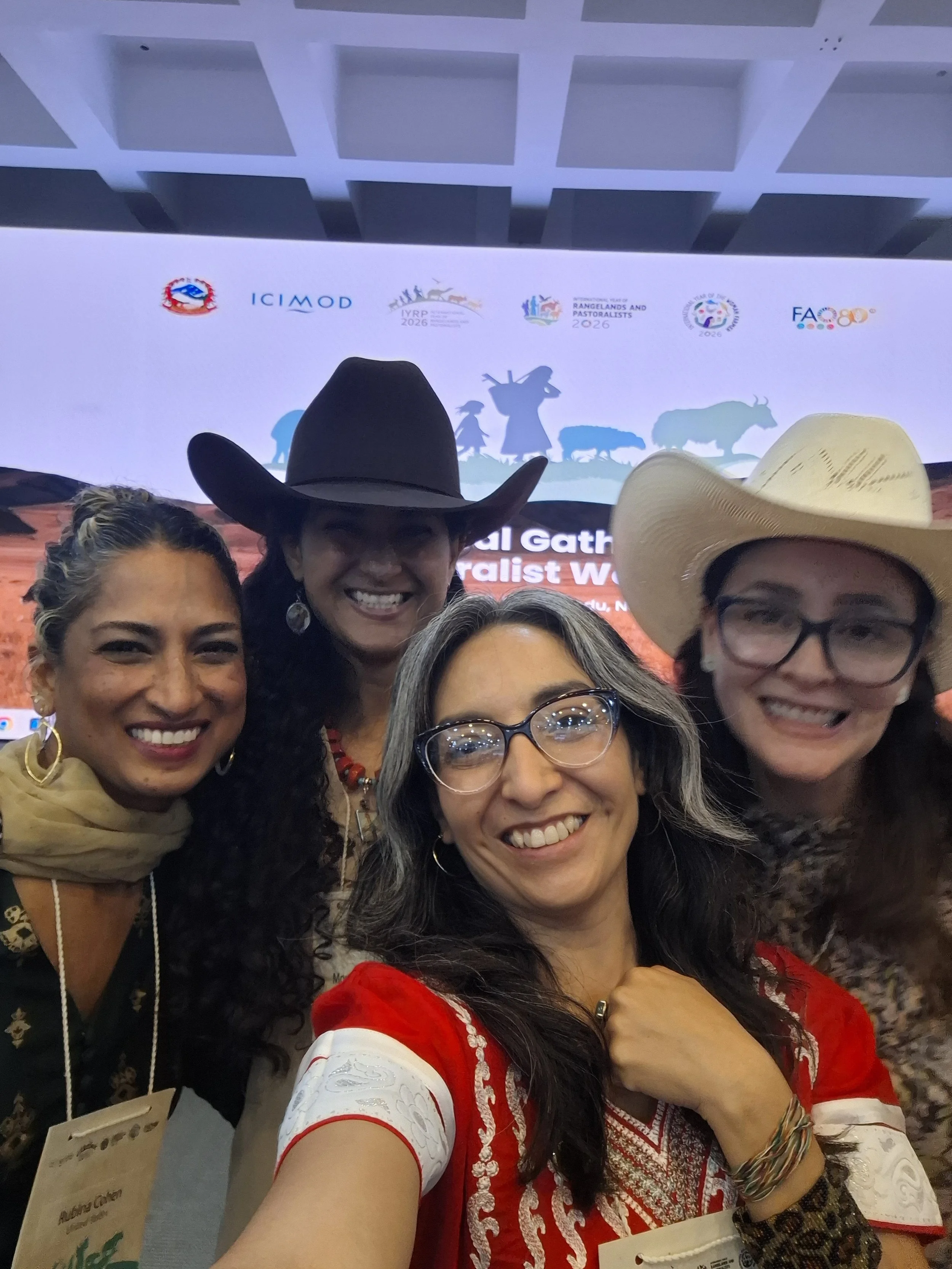
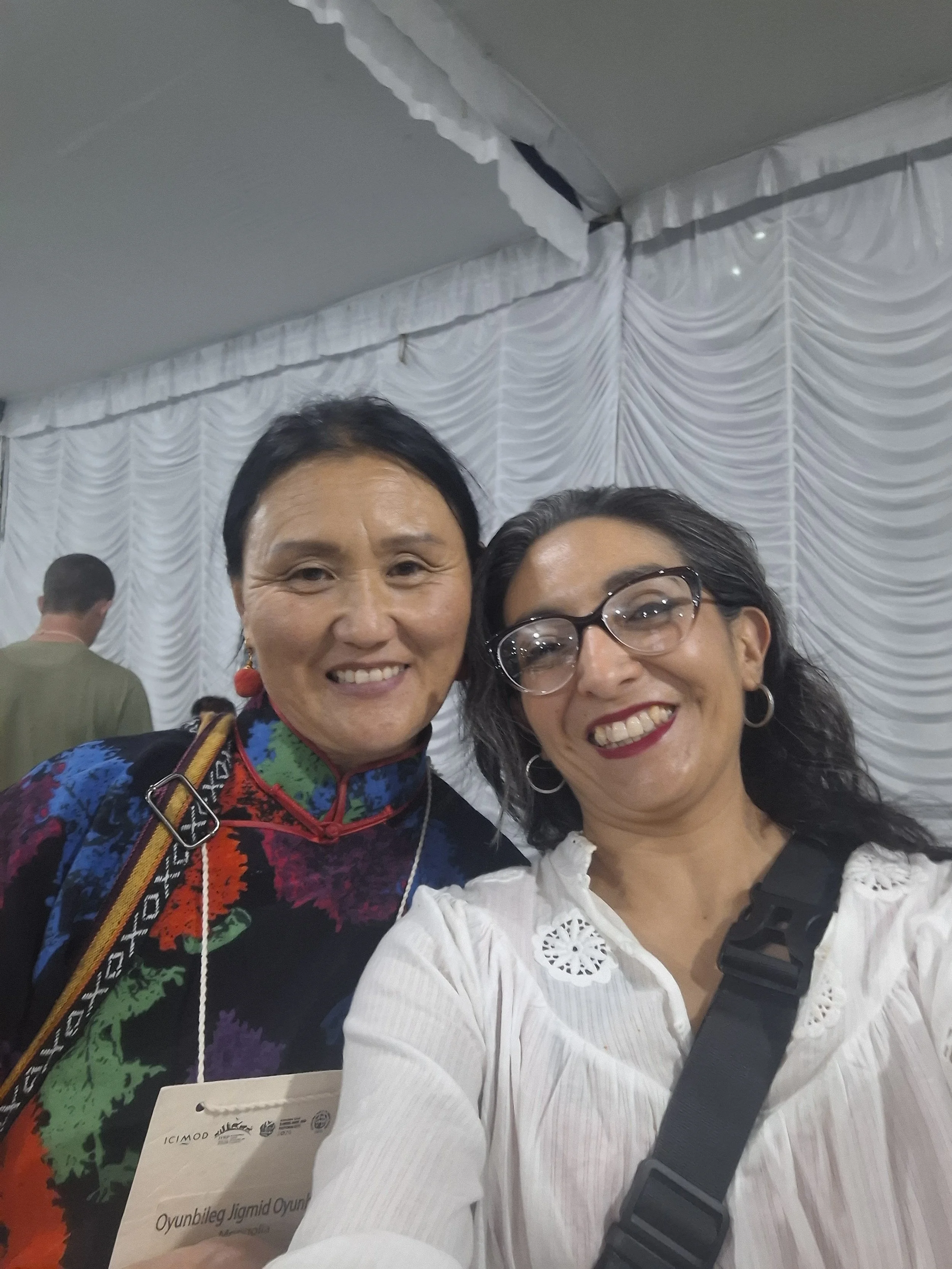
I had the opportunity to attend the meeting as a representative of Women in Ranching, one of the organizations that supported the event, and as a representative of Mexico. This experience was especially meaningful because it allowed me to bring the voices of women involved in natural resource management, livestock farming, and pastoralism in our country to a global dialogue.
On occasion, my presence surprised some of the participants. Some people didn't expect the Women in Ranching representative to be a Mexican woman. However, for me, this perfectly embodied one of the organization's greatest strengths: its ability to build a diverse community where opportunities for participation and leadership aren't limited by nationality, language, or place of origin.
When asked about it, I explained that Women in Ranching brings together women with very different experiences, united by their connection to the land, animals, and rural communities. The fact that a Mexican woman was part of its leadership and represented the organization at an international gathering demonstrated that diversity could become a strength and an opportunity to learn from one another.
For me, this experience held special meaning. As a Mexican woman, an ecologist, and someone who works at the intersection of wildlife conservation and production systems, I was able to share the realities of our country and, at the same time, discover that many of the concerns we face are shared by women in other parts of the world. Although our landscapes, languages, and cultures differ, a common thread unites us: animal welfare, natural resource management, and the pursuit of more just and resilient communities. Representing both Mexico and Women in Ranching simultaneously served as a reminder that diversity should not only be celebrated but also embraced.
Takeaways
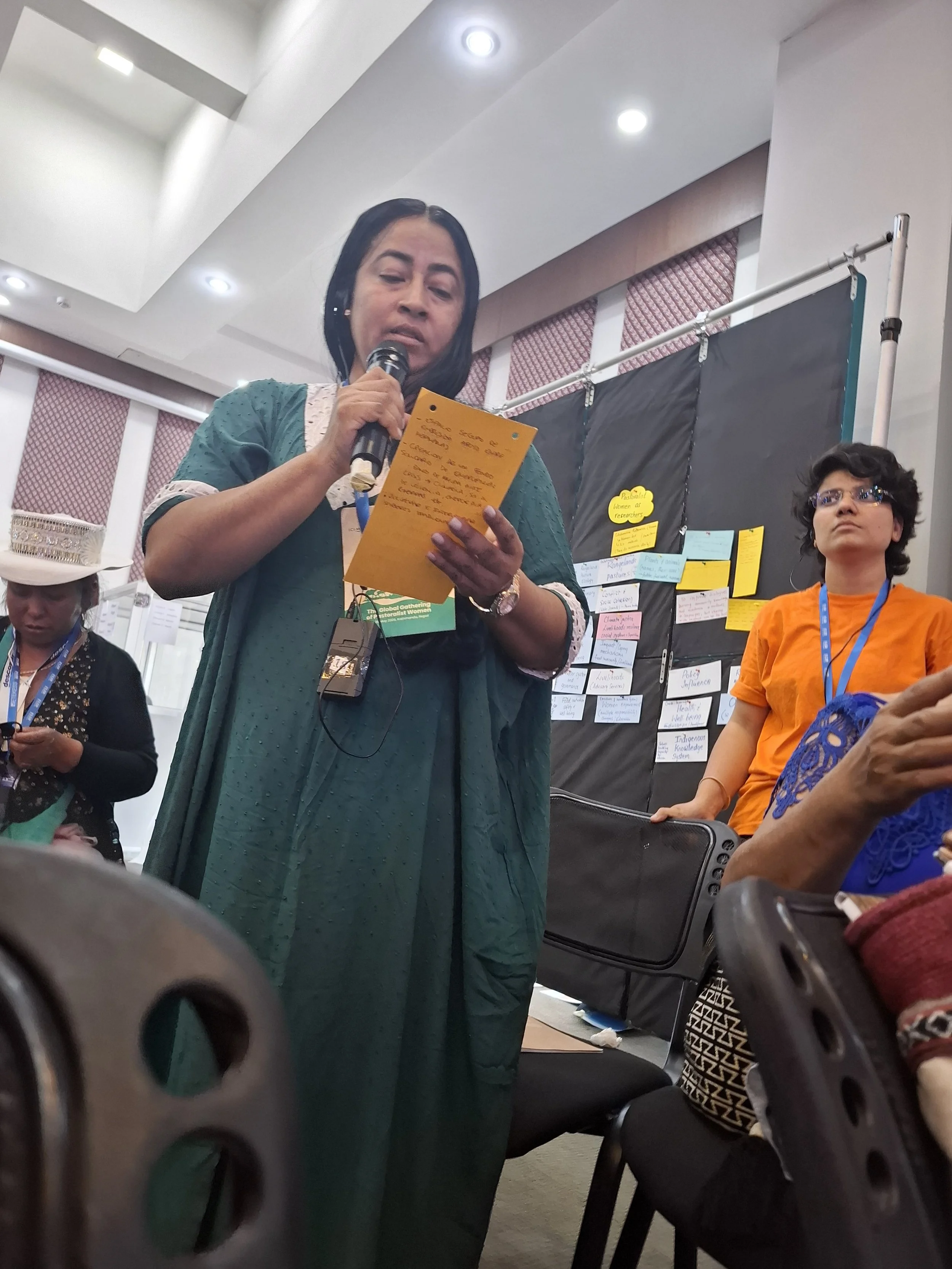
One of the most valuable aspects of the meeting was that it provided a space for participants to identify shared challenges, many of which are common regardless of country or culture of origin. At the same time, it allowed them to recognize the differences in how these situations are experienced, confronted, and resolved. Listening to the experiences of other women made it possible to learn about tools, strategies, and organizational methods that can be adapted to different contexts and strengthen each participant's local work.
Another central objective was the development of a global declaration that will serve as a working and advocacy tool for women pastors in their respective territories. This document aims to reflect the movement's current priorities, strengthen women's visibility, and guide future actions related to access to resources, climate justice, leadership, and the recognition of their social, economic, and environmental contributions.
From my perspective, one of the event's greatest achievements was creating a space where women could meet, recognize each other, and value the work they do. Beyond the technical or political discussions, the gathering allowed us to build connections, generate trust, and strengthen a sense of belonging to a global community. I believe this objective was largely met, as many participants returned to their countries with new support networks, ideas, and tools to continue our work.
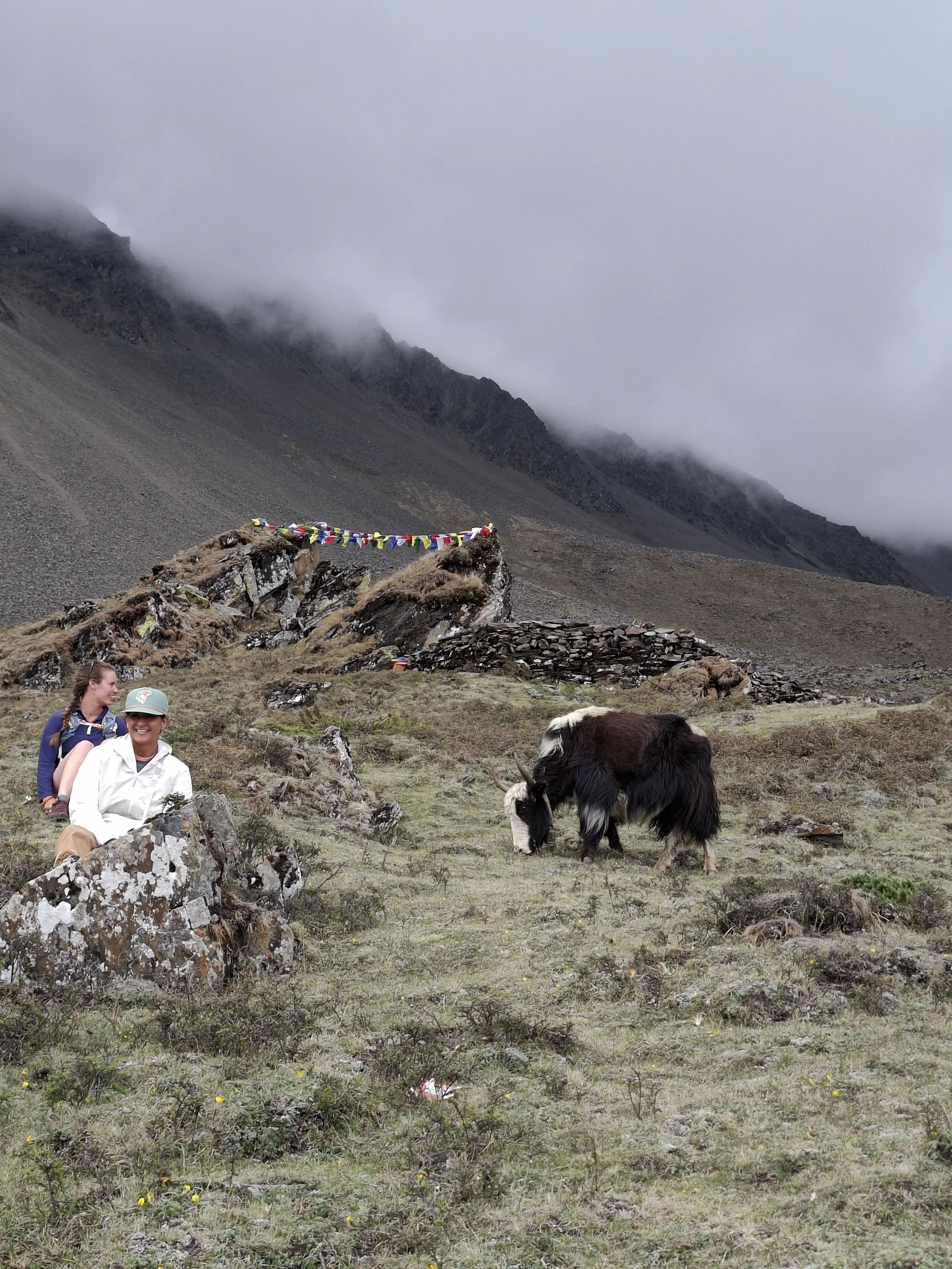
As the gathering ended, I found myself reflecting not only on the formal discussions and declarations, but on the countless conversations that happened in hallways, over meals, and between sessions. Some of the most meaningful moments came from realizing that women who lived thousands of miles apart often shared remarkably similar experiences. Whether they were herding yaks in the Himalayas, goats in Africa, sheep in Europe, or Bisons in the deserts and grasslands of northern Mexico, many spoke about the same challenges, responsibilities, and hopes for the future.
One of the most memorable aspects of the event was the diversity present in every room.
I returned home with far more than notes, presentations, or new professional contacts. I came back with a renewed sense of belonging to a global community of women who care deeply about the land and the lives that depend on it.