
Rooted Indigenous Women Ranchers
By Lea Whitford
Women share a unique and meaningful relationship with the land, one rooted in respect and a deep sense of stewardship for Mother Earth. This connection is often formed early in life, shaped by childhood experiences and memories that stay with us over time, influencing who we become and how we care for the world around us.
My story begins with riding on a wagon stacked with loose hay. My grandparents owned a small ranch with a few head of cows, horses, pigs and chickens on the Blackfeet Reservation. My cousins and I would help when it came to feeding the livestock. We would climb on the hay wagon, ride up to the field and help grandpa feed. This was a “get outside” activity we enjoyed and didn’t need to be asked twice. This small operation compared to today’s ranches sustained our family. The cattle, pigs and chickens fed not only my grandparents but also my relatives that lived close by. These early memories helped me to remember to make the ranching chores an enjoyable family affair.
My next memory as a youngster was traveling out to my Aunties place along the Two Medicine river. Family and friends were invited out to their spring brandings. They would already have rounded up the pairs and were ready for the day’s work. All hands-on-deck were needed to get through the herd of calves that needed to be branded and tagged. Watching my dad, uncles and cousins wrestle calves was only a part of the excitement. My mom, aunt and whoever else showed up were the cooks and servers of a great feast afterwards. This turned out to be a stinky but fun day for us all. My aunt continues to be my inspiration, although she has made her journey to be with our ancestors. She was a true lady, one that had a smile for all and full of laughter. Her love for family was immense; she raised her family on their ranch and continued to be a decision maker into her later years. In some ways I wanted to be like her and my grandma; ranchers owning a nice place out of town, surrounded by open spaces with family close by.
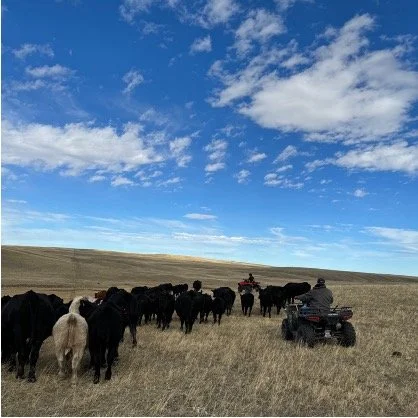
Destiny was decided for me when I married into a ranching family. My husband had a family ranch a few miles out of Browning. They raised beef cattle and some horses. We eventually moved and settled onto our own place. My husband was into roping and enjoyed rodeoing, so we continued that pastime and raised our family around the rodeo arenas. Over the years we tried raising various breeds of cattle from Simmentals to Corriente cattle. We settled on beef cattle that brought a better price than the specialty animals.
After years of traveling around the roping and rodeo circuits we decided to start our own rodeo stock contracting business; Whitford Rodeo. Our children were the main helpers; sorting and pushing cattle and horses for the events we were attending. To cut costs of subcontracting the ranching side of the business shifted to include bucking stock, horses, bulls and timed event cattle. This was a great way for the entire family to be involved in ranching. The kids helped with haying, fixing fences, driving and when it came time for the rodeo or roping events they were involved in the rodeo production side of the business. We needed timers, secretaries, someone to sort cattle, horses and bulls as well as occasionally announce a rodeo or roping.
There were always stock trailers, trucks, and equipment that needed regular maintenance. If we didn’t keep up with it, we risked not being able to fulfill a contract. All of that took time and money, sometimes more than we had but it was just part of the life we were committed to.
The kids were right there, helping with the chores caring for the rodeo stock and the rest of the livestock. Gathering and sorting horses meant having wide open spaces for them to roam, the bulls were a different story, they had to be kept contained, or they might end up a county or two away.
This is not your traditional kind of ranching, but it helped pay bills and we enjoyed seeing new places, meeting people who also enjoyed the rodeo lifestyle. I went from helping with ranching duties to working more with the rodeo production side of business. This was before all the various computer programs available for large events like rodeos and ropings. I created the spreadsheet for judges, timers, pay out sheets and day sheets for the rodeo. My favorite was putting together rodeo programs with our sponsors for the events we hosted.
I took on many domestic responsibilities to support our family, ensuring warm meals were prepared and snacks were available for long workdays and road trips. Keeping ranch children supplied with clean clothes and shoes often meant the washing machine ran for hours. Like many ranching families, a second income was a necessity. I earned my teaching degree early on and accepted a teaching position, which allowed me to have summers off and minimize time away from home during the busy summer rodeo season.
As women in the ranching industry, we as decision makers are sometimes overlooked. We are oftentimes the ones that handle the visits to the land office taking care of land leases and making sure deadlines are met. Managing the paperwork associated with the ranch and rodeo business taught me the importance of accurate bookkeeping and recordkeeping skills that are essential for a ranch operation.
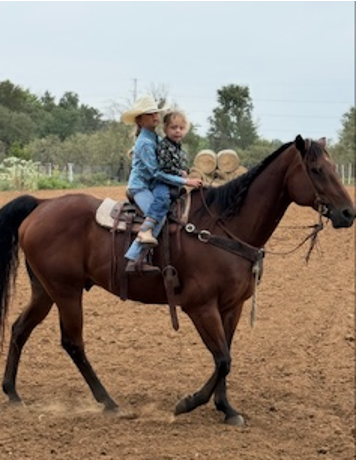
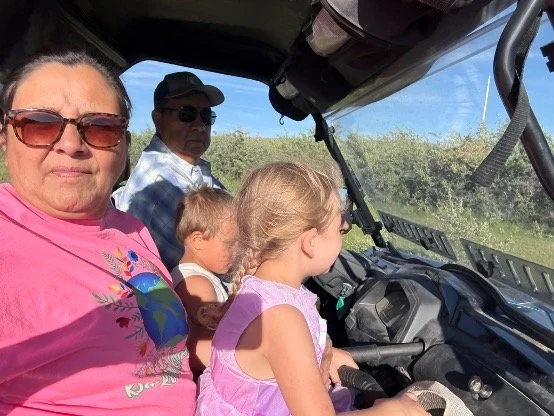
My children are grown now and have taken on a more active role in the ranch and stock contracting business. They work with my ex-husband to ensure the next generation has land, livestock and stories to share with their children. I am grateful for the ranch life. It's been good to me and my family. I had a young friend recently tell me “you have earned this break now it is time for the younger ones to continue” what was created. From a little girl riding on a hay wagon helping her papa feed to sitting at my table looking out my window on the ranch watching my kids and grandkids enjoying Ranch Life. I’m happy to have trailblazers like my grandparents and my aunt to model my life after even if it has its challenges.
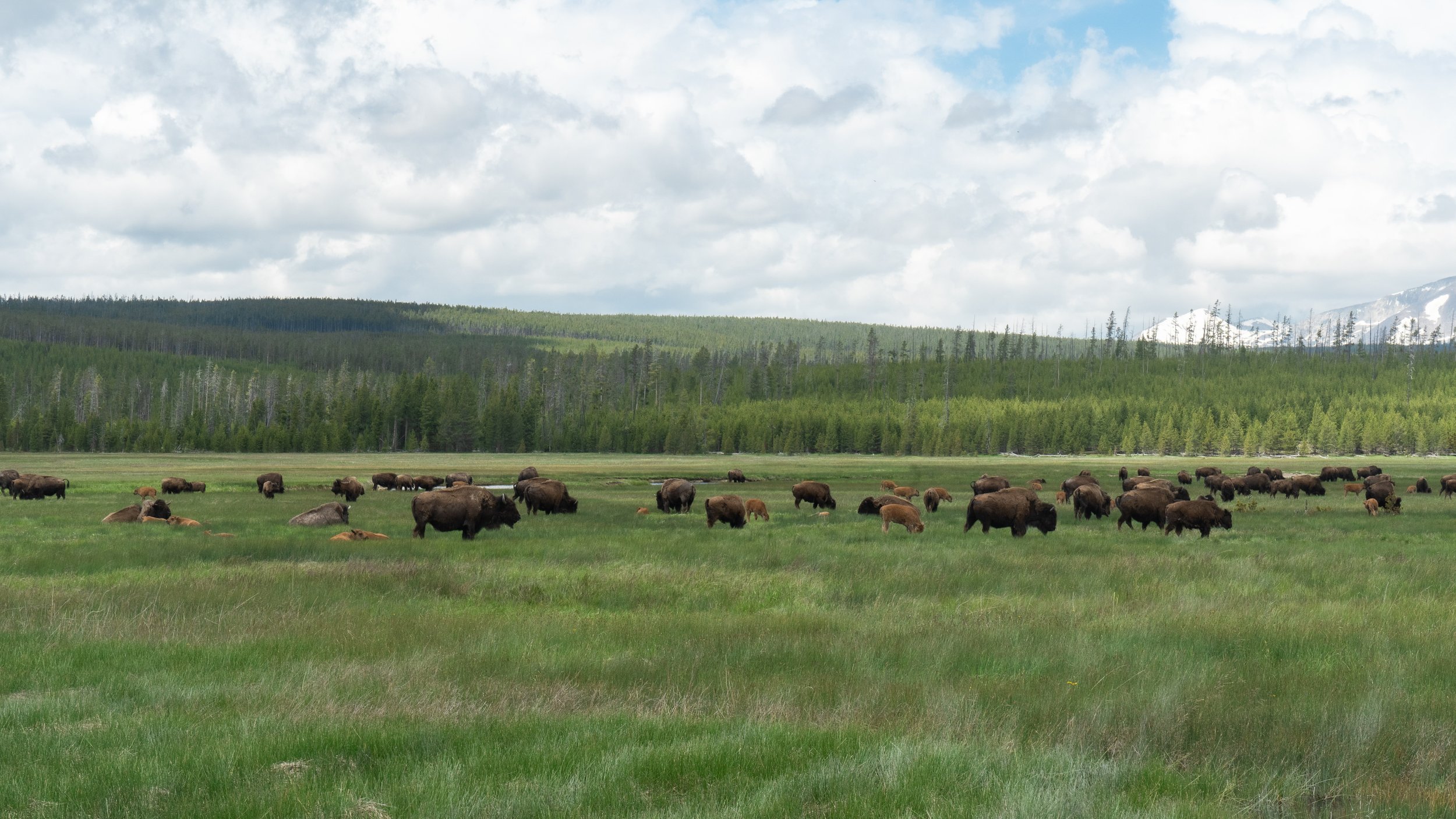
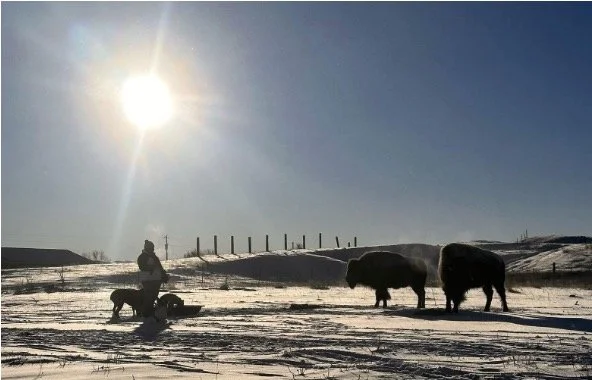
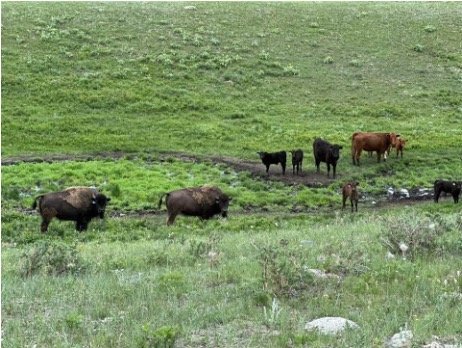
Seeing young women taking on active roles in ranching is inspiring, some are raising beef cattle, while others work with bison or goats. I have seen them sharing their experiences on social media from calving season adventures to herding buffalo back into the right pasture. I would like to encourage the next generation to keep going, even if their efforts begin on a small scale. Developing skills in animal husbandry and land stewardship is incredibly valuable, and for those who didn’t grow up on a family ranch, working for local operations can be an important first step toward independence.
Watching this generation show such dedication in caring for the land and raising families rooted in these traditions makes me proud to support them and cheer them on as they carry this way of life forward for the next generations.
April, 2026
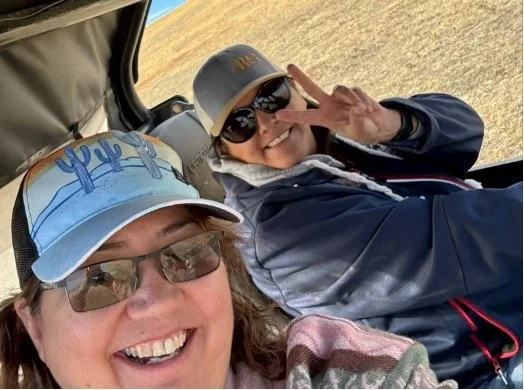
Lea Whitford recently retired as a public school teacher however she is still doing consultant work and continues to live at her ranch on the Blackfeet Reservation.