Listening to the Land: Gwendolyn Lusk and the Legacy of Women Ranchers
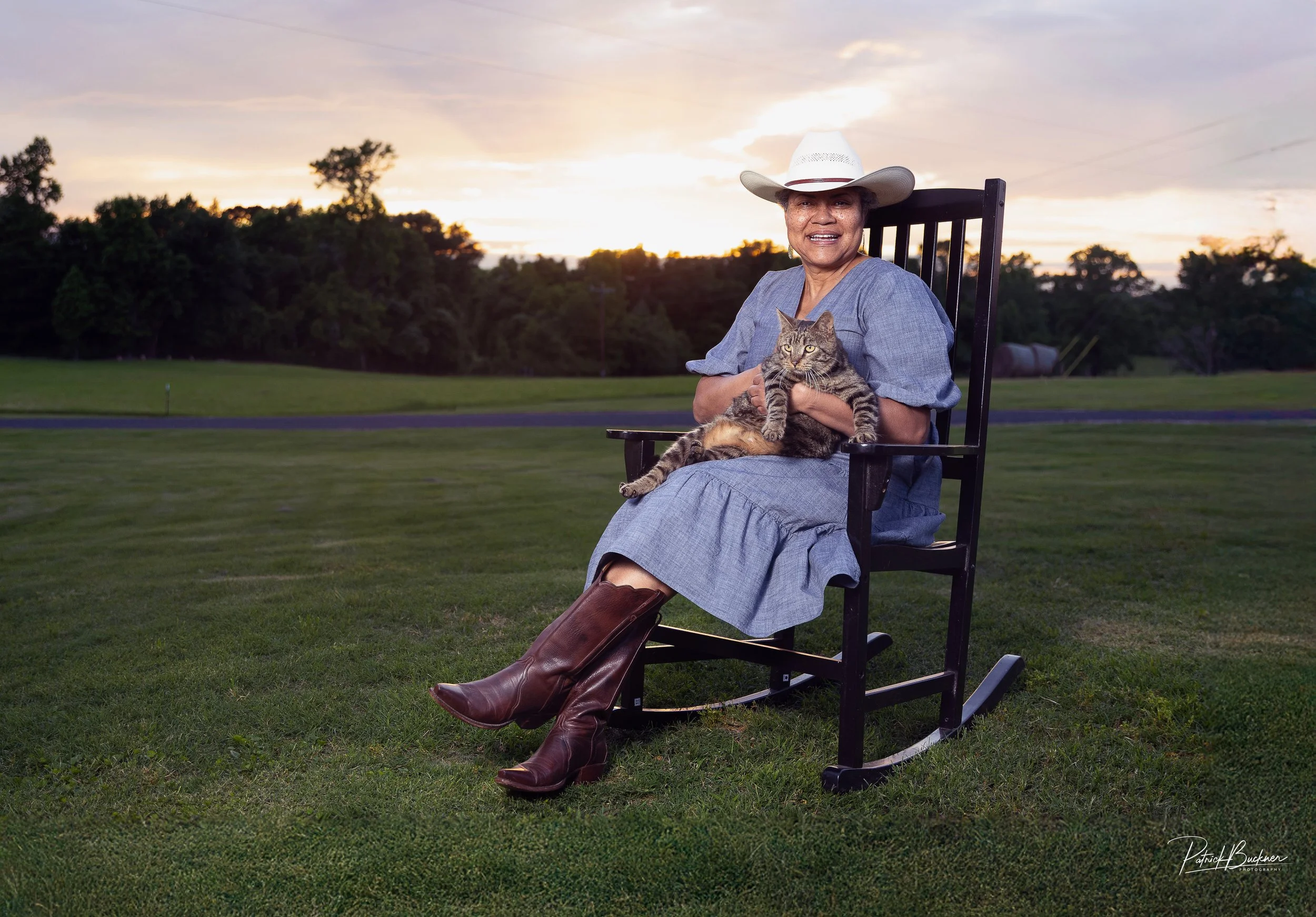
Some people come to ranching later in life. For Gwendolyn Lusk, it has always been part of her, shaped by five generations of women and a lifelong relationship with the land.
Born just north of Houston, Texas, property her family has stewarded for generations, Gwen spent her earliest years there before her parents moved the family into the city. She grew up in Houston, went to school there, and built a long and successful corporate career. Every summer, she returned to the land and her family whenever she could—to the chickens, the garden, the cows, and especially to her grandmother, who shaped how she understands land, time, and responsibility.
“My grandmother would sit on the porch every morning with a cup of coffee,” Gwen remembers. “I used to wonder what she was doing. Now I understand that she was listening.”
That practice stayed with her. Even now, Gwen begins her days outside, taking in the land before deciding what needs to be done.
Gwen spent 40 years working for a Fortune 50 company, living and traveling all over the country. No matter where her career took her, she always found her way back to the ranch. When she was transferred to Dallas, which was close enough to visit on weekends, the pull grew stronger. By her late 30s, she knew that when she retired, this land was where she would come home.
She retired in 2018. In 2020, she began building her home on a specific rise of land that had always felt different to her.
“It just had more energy,” she says. “It felt like a warm blanket.”
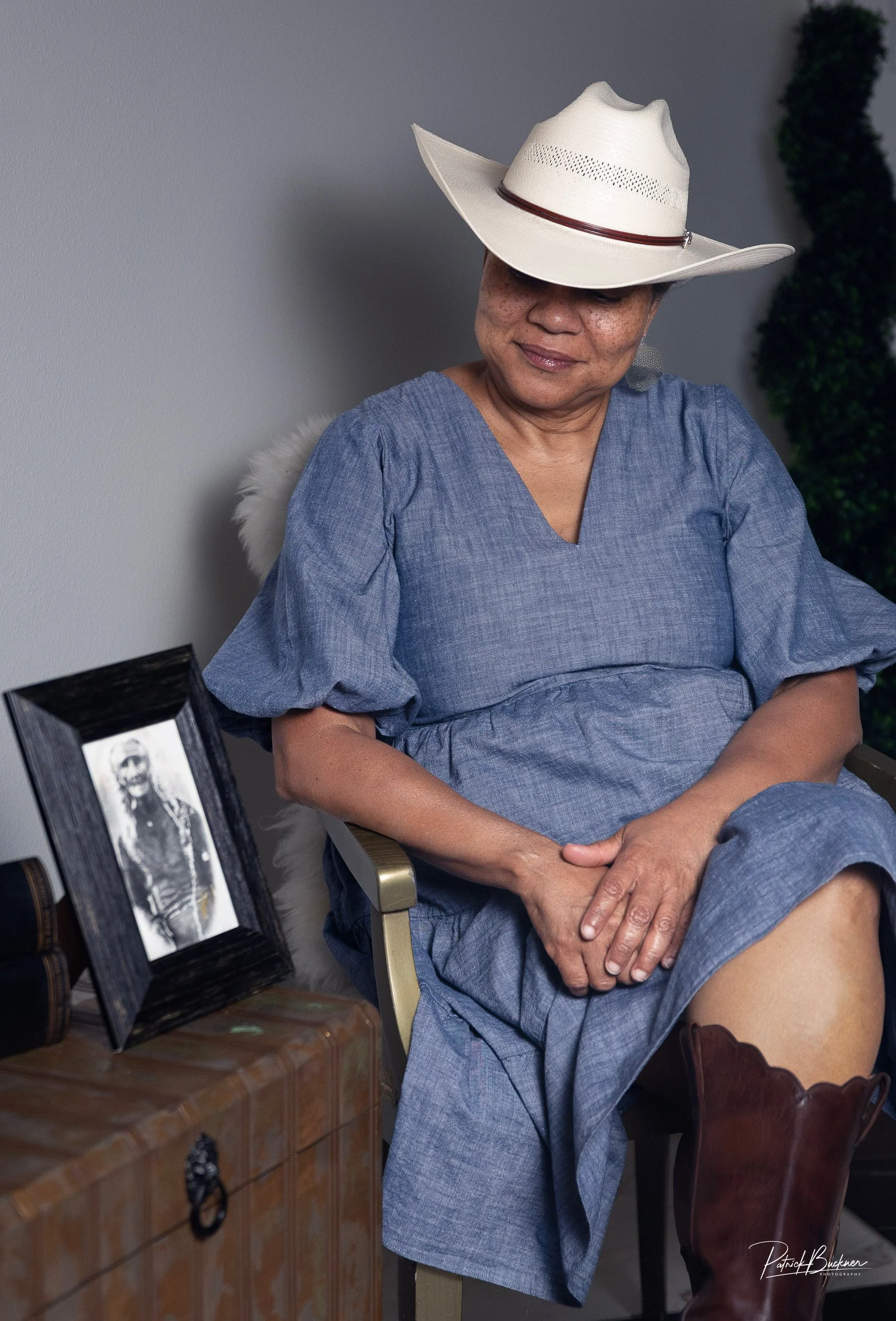
As she talked with elders in her family and community during the build, Gwen learned why that place felt sacred. It was the home place, the original center of her family’s land. It was where her great-great-grandmother, Jane, lived after emancipating herself from slavery. Born in 1836, Jane was known throughout the community as a healer, using herbs and traditional knowledge to care for the sick, the injured, and newborns who weren’t expected to survive. The creek that runs behind the property served as cooking water, bathing water, and a baptism site for generations.
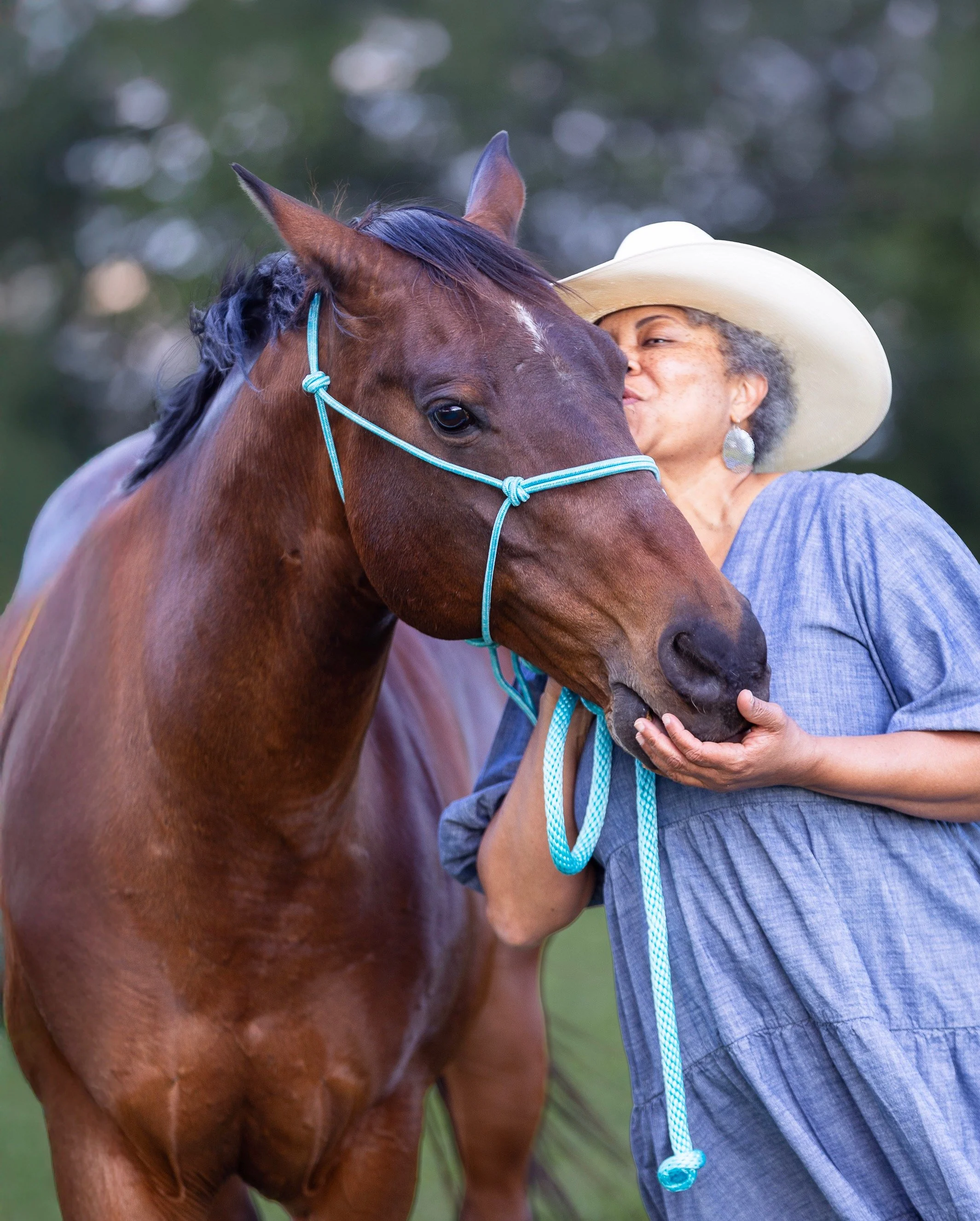
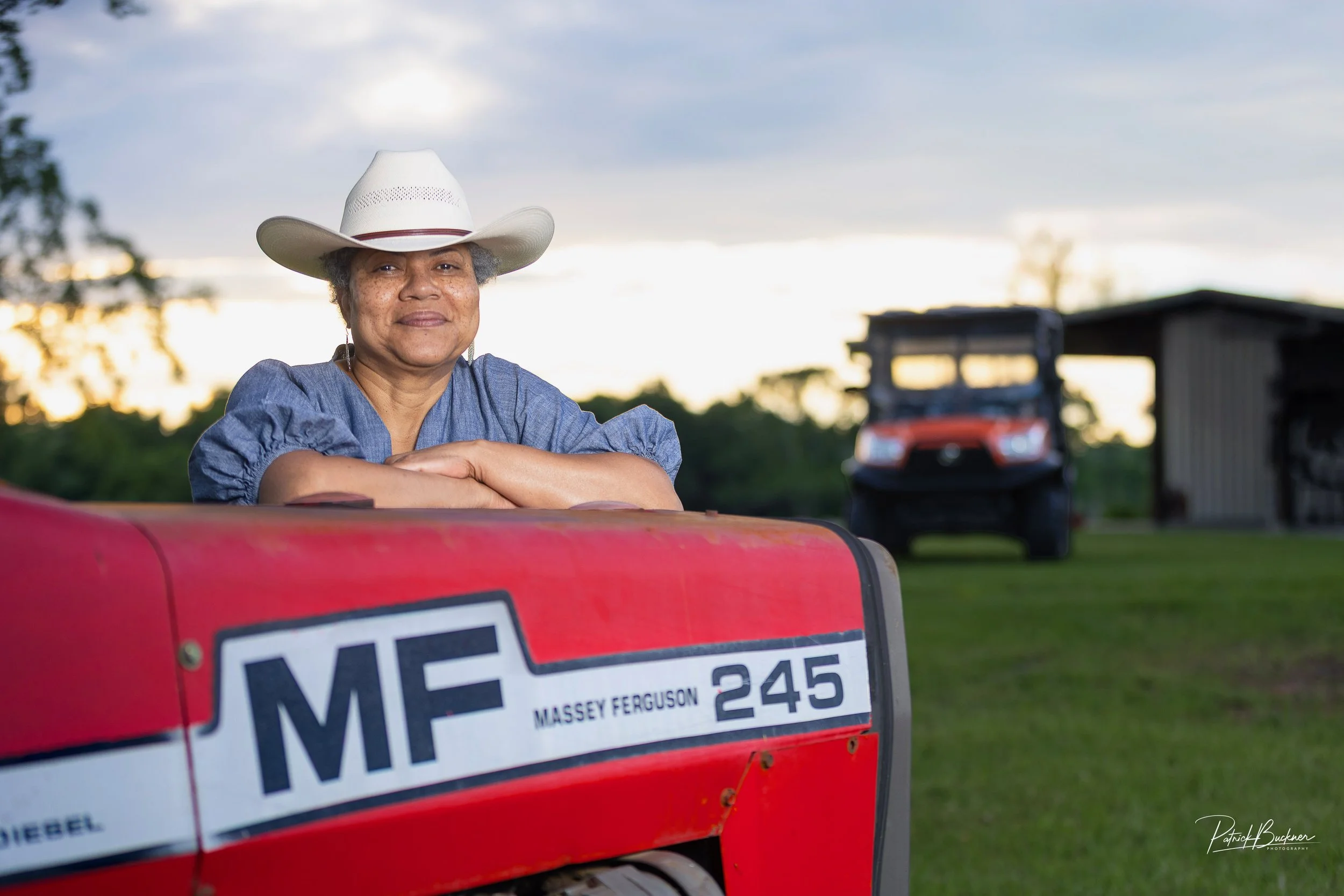
Today, Gwen calls herself a “boutique rancher.” She manages 50 acres of the family’s 112, running a small herd of cattle alongside a horse and a donkey, while leaving the remaining land largely undisturbed as she learns what it needs. She has taken a regenerative approach to ranching, using rotational grazing and diverse cover crops to restore soil depleted over decades.
“I like to see results,” she says. And she has seen results, including longer green grass, healthier cattle, and stronger animals at market.
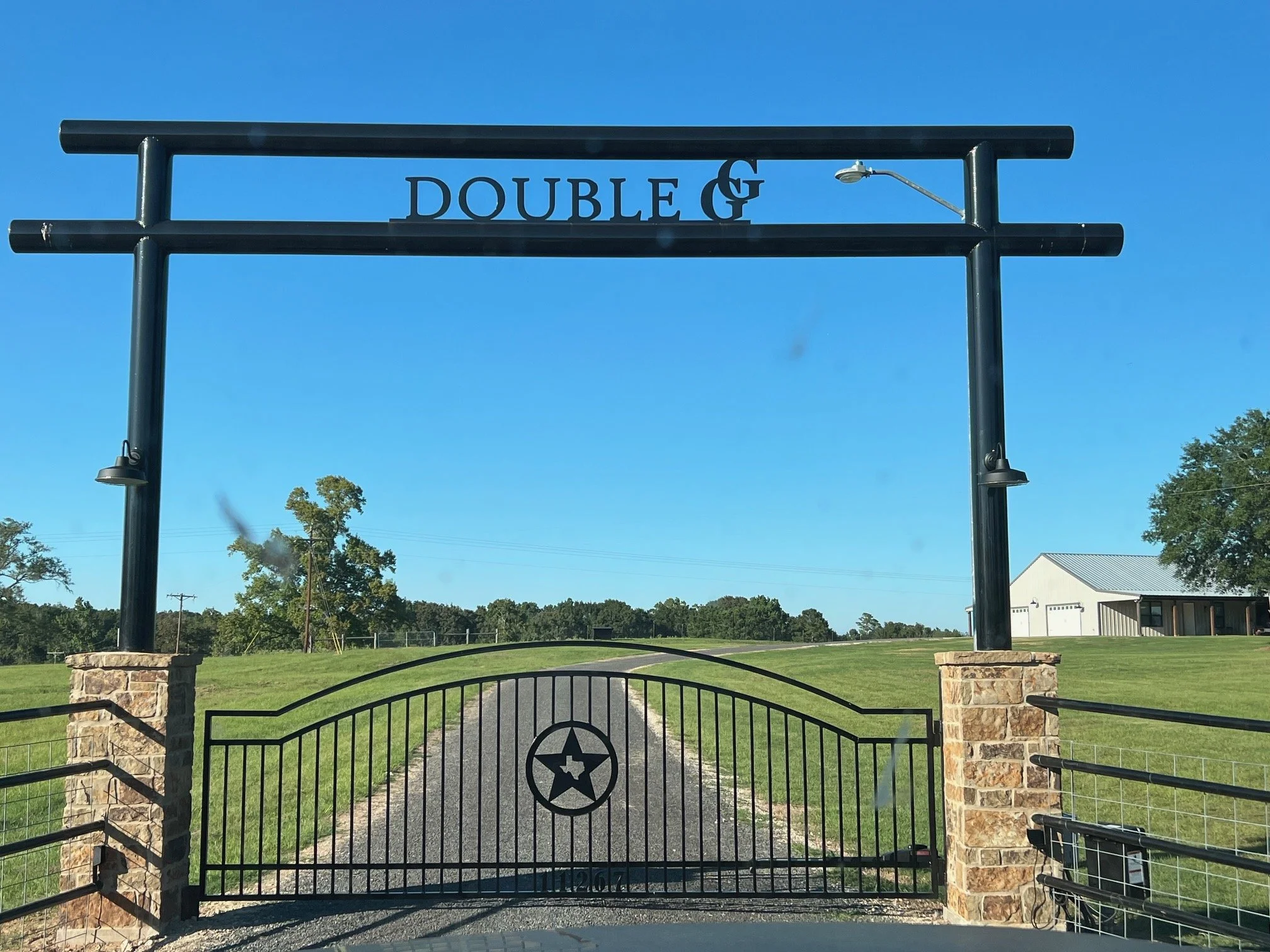
Gwen’s vision for the land goes far beyond production. She hosts retreats at her ranch, the Double G. It is a working ranch, but also a place of rest, reflection and community. The original house where she was born still stands, and she’s renovating it into a tech-free gathering space for guests.
Gwen says she feels a strong sense of pride in what she has nurtured, following in the footprints of generations before her. “There is a strong sense of pride because of how my mom was able to keep [the ranch] going and knowing how my grandmother, being a single woman, managed to nurture and keep the land. This land is at least 165 in age—that, in and of itself, knowing what the struggles were back then and how they were able to maintain this land for people such as myself.”
That pride is rooted in story, and slowly, Gwen is piecing together her family’s history through courthouse records, written documentation, conversations with community members, and work with a historian. Some of the stories come directly from the land itself.
“A lot of the history I heard came from my great-aunts and uncles,” she says. “And now, I’m learning from the land.”
Recently, she discovered a massive boulder in the creek bed, likely more than 130 years old, and had it moved for preservation and study. The creek itself remains central to Gwen’s sense of place. She located and preserved the original baptism pool used by her family and community and named it Maggie Creek, after her grandmother.
There is also a small church on the property, now 154 years old, that continues to serve the surrounding community. When Gwen returned to the land, she was asked to serve as secretary and treasurer. She also teaches Sunday school.
“My dad went to school there through eighth grade,” she says. “I still have his report card.” There is still an active congregation with people who live nearby, and others who come in from Houston and Dallas.
For Gwen, agriculture is inseparable from community and culture. “Ag touches everything,” she says. “Everything we use, everything we pick up, everything we consume.” She sees that awareness growing, especially among women. Many, like Gwen, grew up connected to land, left for education or careers, and are now finding their way back.
“Everybody has a story, every family has a story,” she says. “All of those stories started with land and farming or ranching somewhere, no matter who you are. We drift away from that, but over time people realize that this life may not be so bad.”
For Gwen, returning wasn’t optional. “This isn’t a lifestyle for me,” she says. “I feel like this is my calling.”
She sees that calling extending forward through her daughter, who visits often and feels a similar connection to the land. Gwen ranches with the future in mind, not just for her family, but for anyone who will come after her. She believes that when people care for land, whether inherited or newly claimed, they are building something larger than themselves.
“You bring your own memories, your own history,” she says. “And how you care for the land becomes the legacy you leave.”
February 16th, 2026