
Beetreat: Regenerate Yourself Through Bees
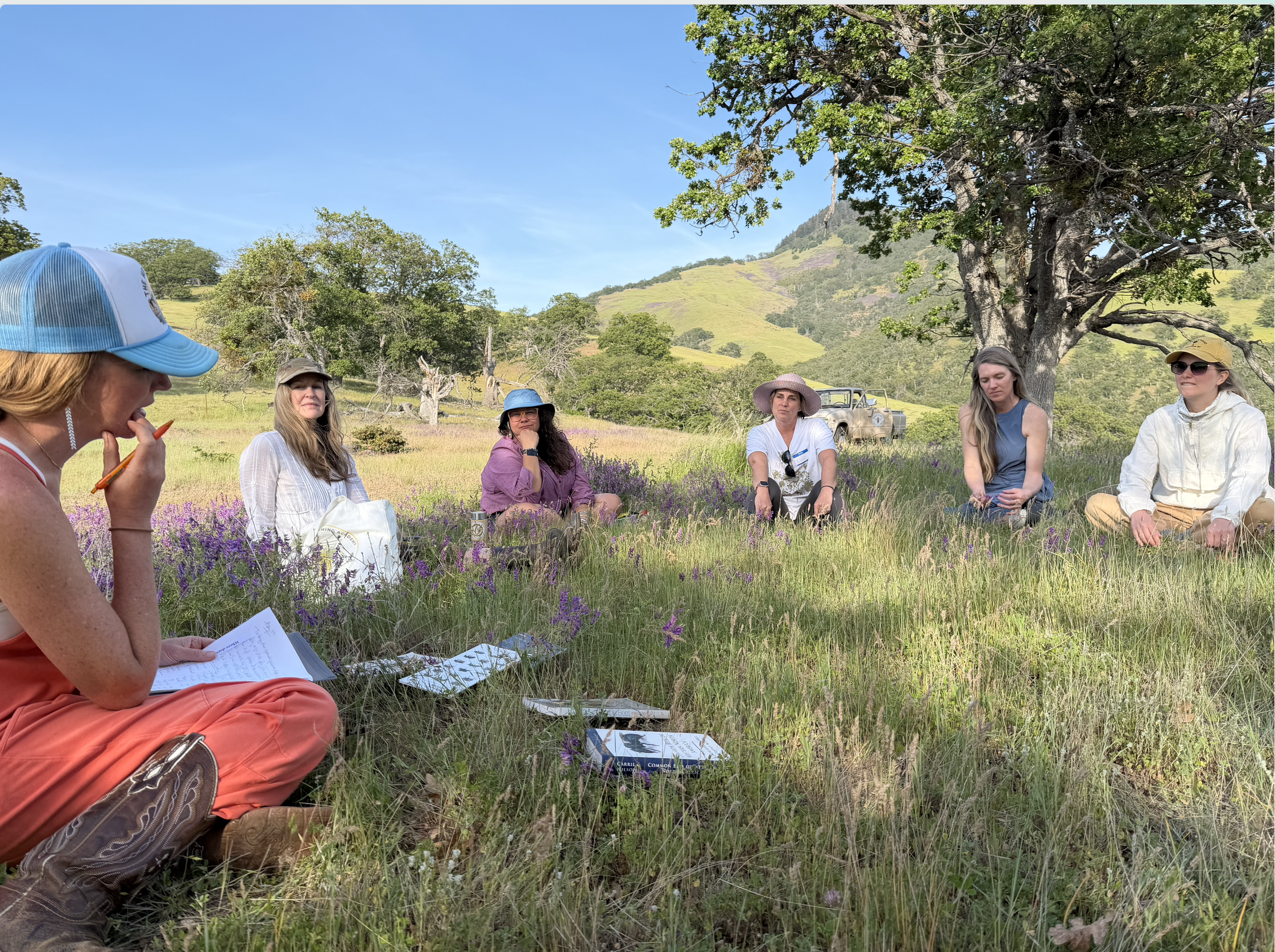
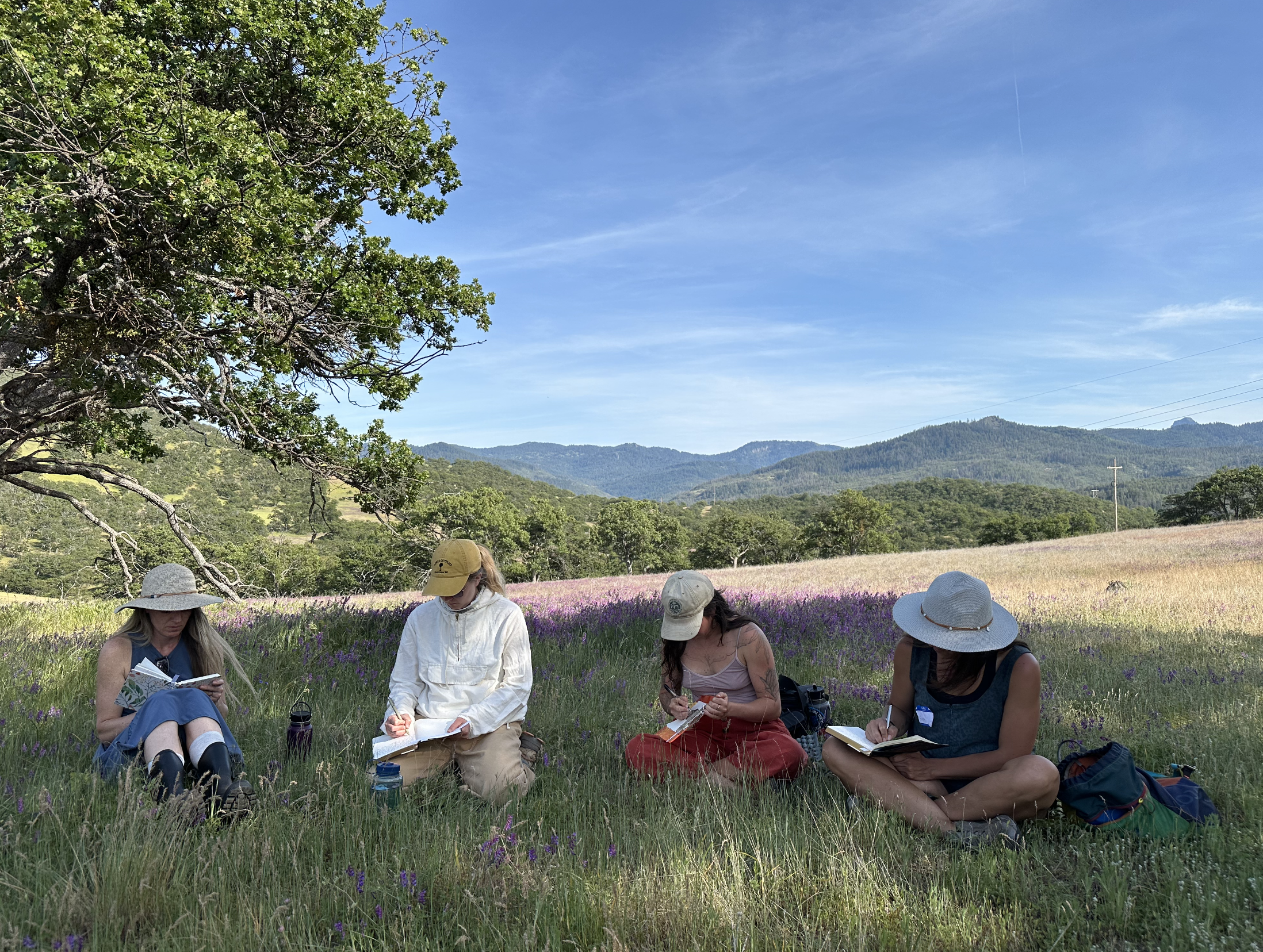
We ended the day where we'd started: seated in a circle at the Sampson Creek Preserve. The hives had been opened and closed, the yoga mats rolled up, the wine glasses filled. I offered the prompt — “Where does the ground find you today?” — and ten women sat with it.
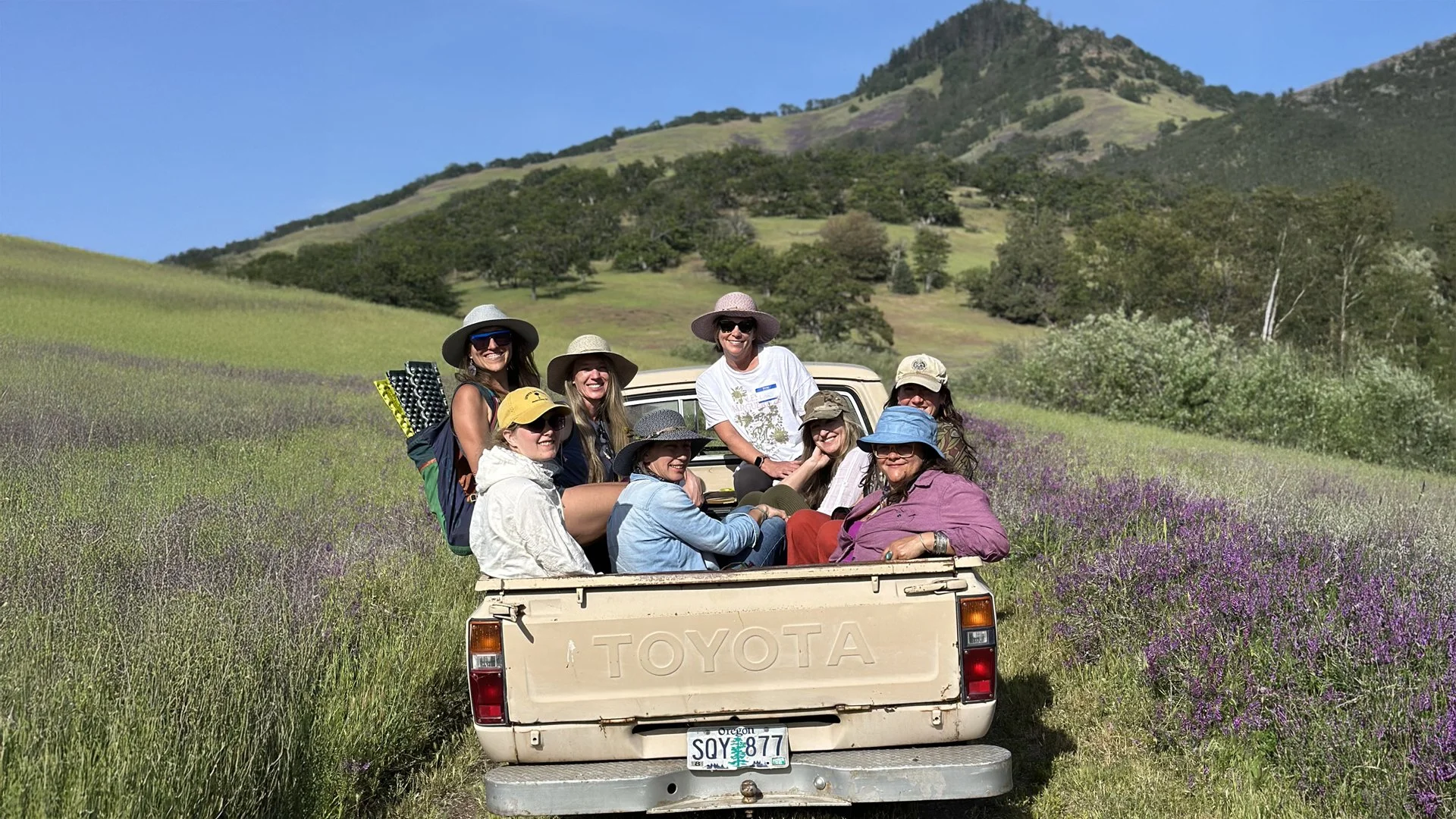
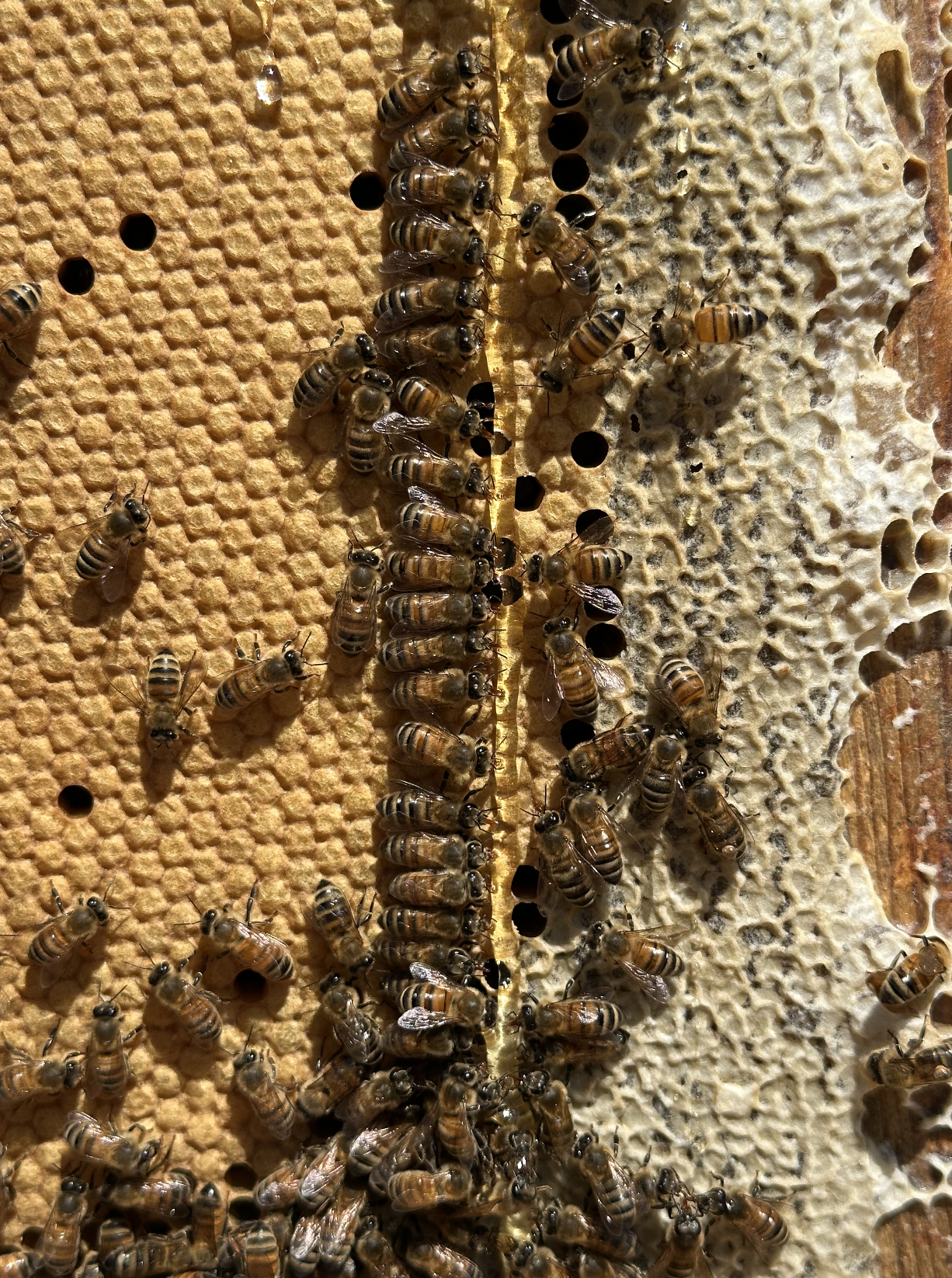
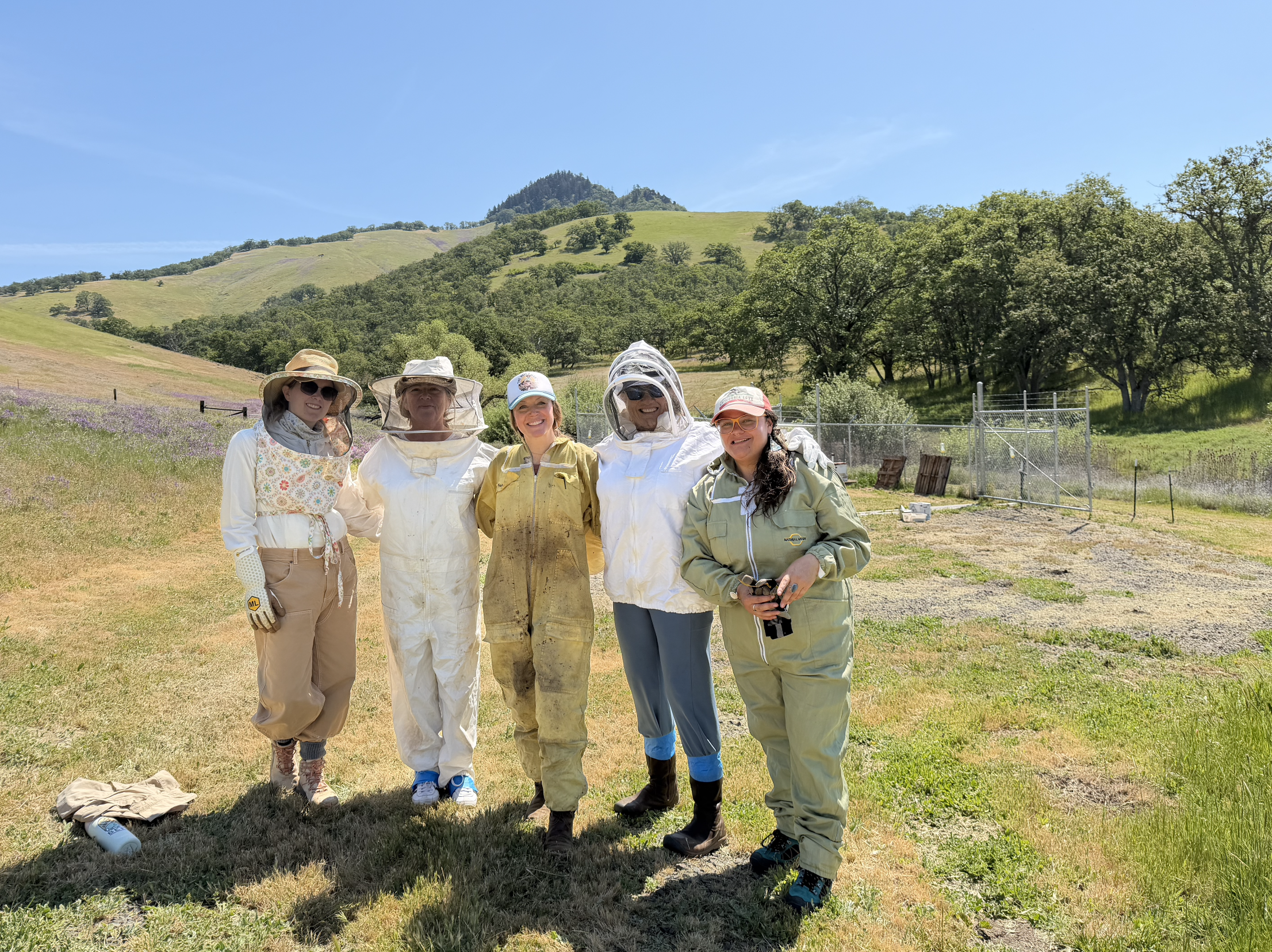
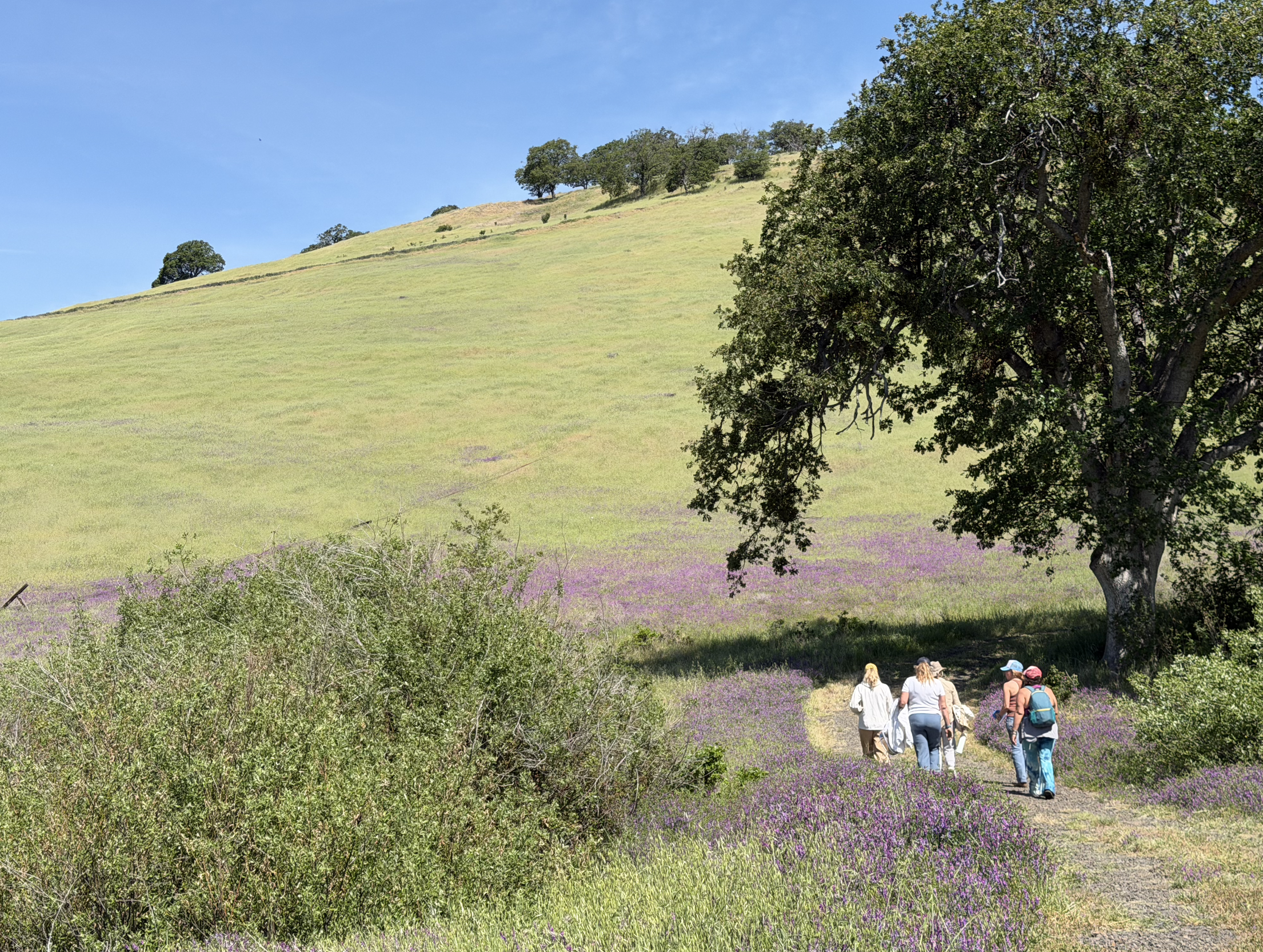
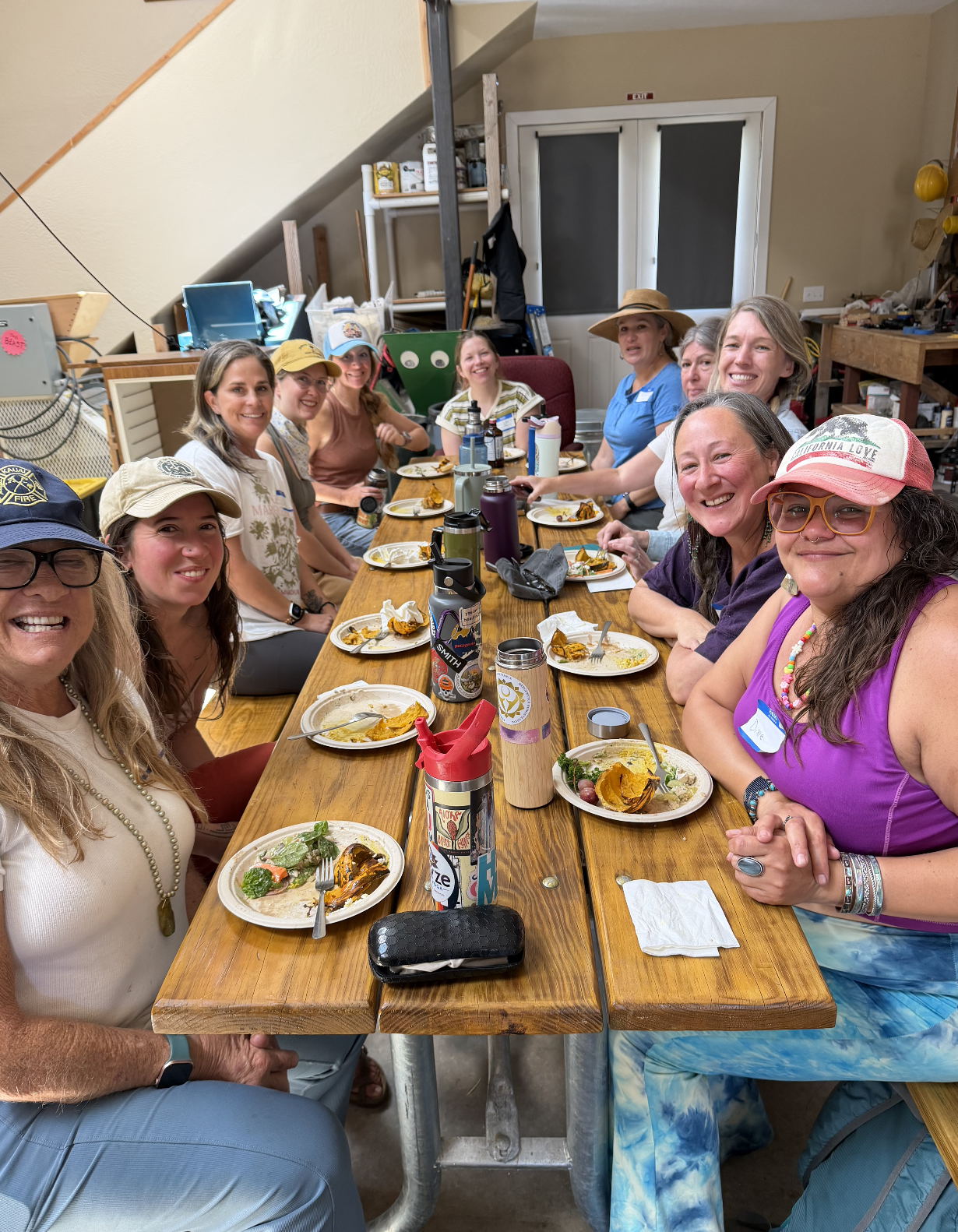
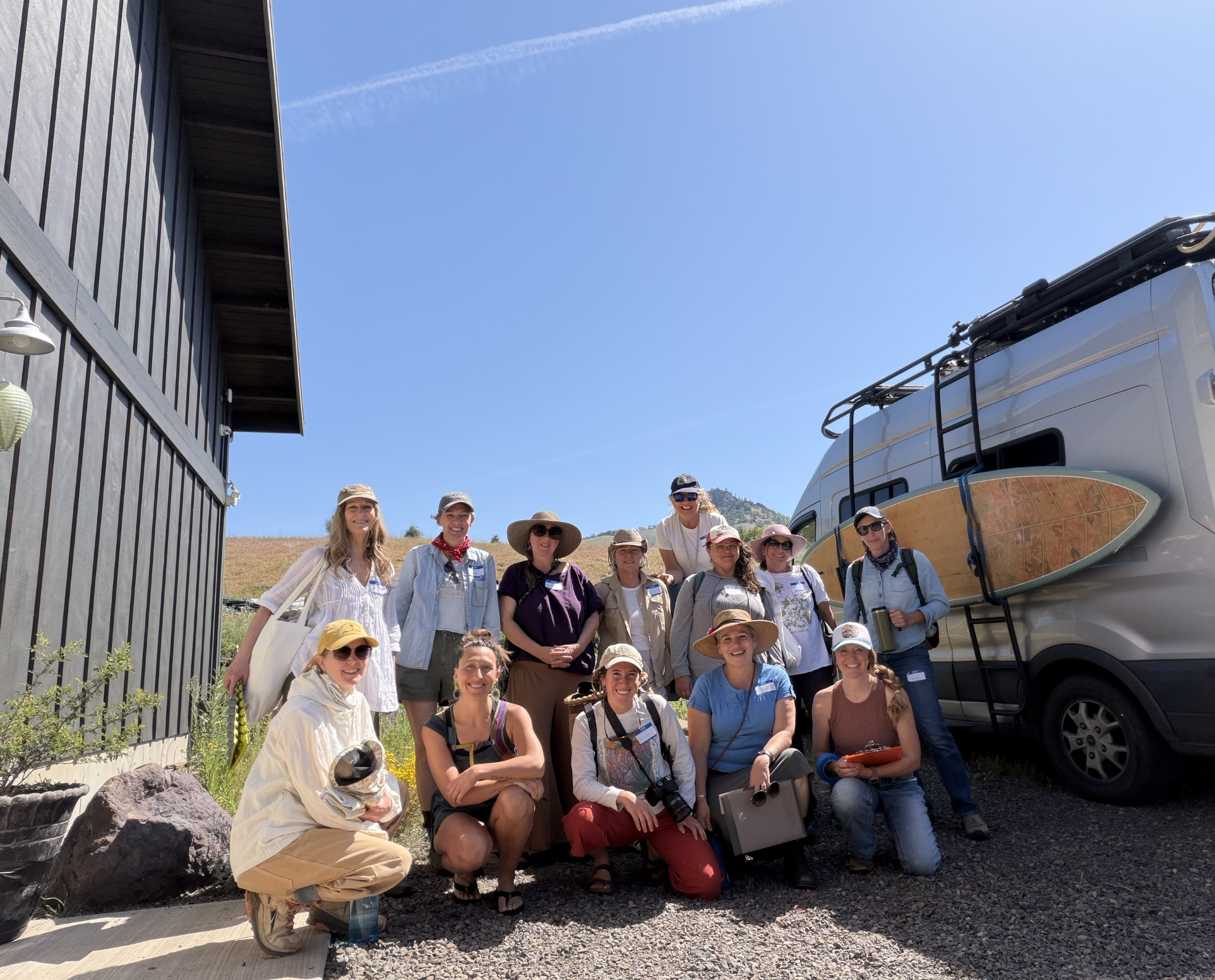
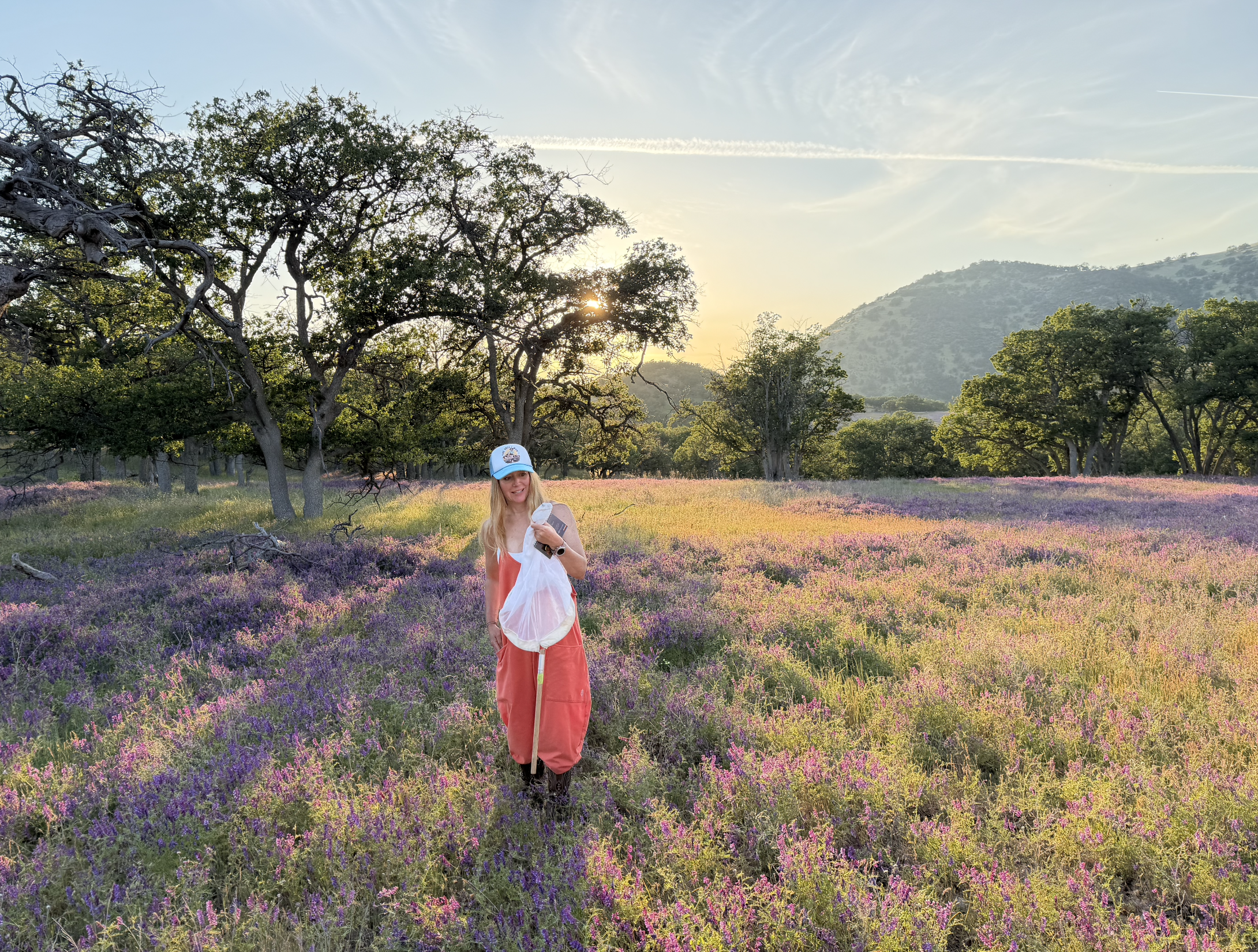
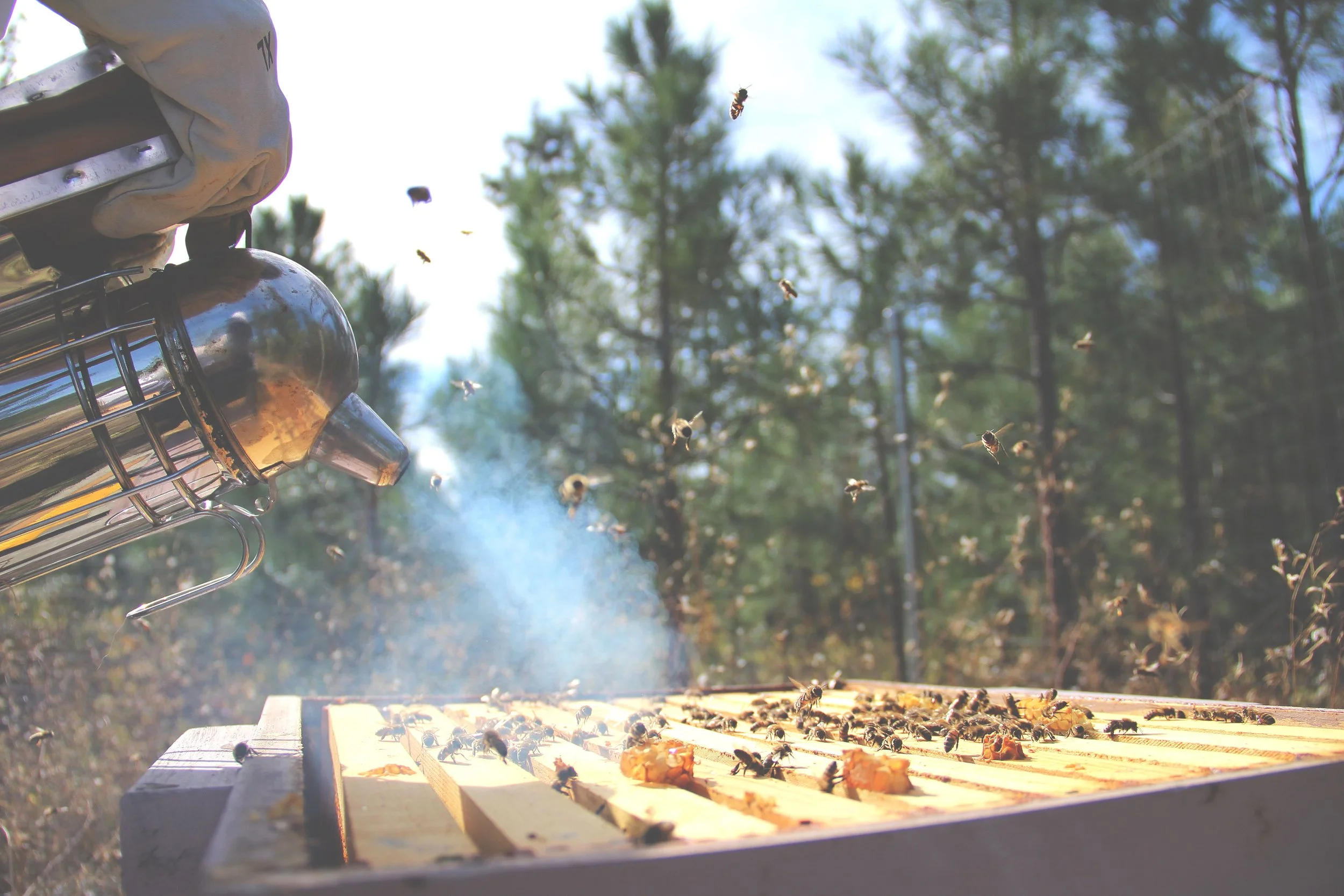
This was Beetreat: a one-day retreat at the Selberg Institute's Sampson Creek Preserve in Southern Oregon, held May 9, 2026. Ten women came from across Oregon, California, and New Mexico — beekeepers, ranchers, vineyard owners, herb growers, and land stewards. The day moved through bee-centered ecological and anthropological presentations, honey bee hive inspections, a native bee hike, restorative yoga, mindful journaling, a farm-to-table lunch from Jefferson Farm Kitchen, and a happy hour with wine from three bee-friendly vineyards. I led the day alongside three incredible women: yoga teacher Krista Holland, and Bee Regenerative board members Bridget Burns and Rhianna Simes. We're deeply grateful to Women in Ranching's Community Re-Grant Program for the funding that anchored the day, and to a constellation of sponsor partners who showed up for the bees, the women, and the land — Selberg Institute, Jefferson Farm Kitchen, Jade Yoga, Magic of I, Mod Socks, Savannah Bee Company, Siskiyou Seeds, Weisinger's Family Winery, Sound & Vision Wine, and DIRT Wine.
I built Beetreat for one of the most common and most invisible realities of women's lives on the land: we are all caretakers; often carrying responsibilities for everyone and everything but ourselves.
We rarely give ourselves permission to set that weight down. So I designed a day that asked nothing of our participants but their presence — no caretaking, no cooking, no productivity, no performing, no making time for anyone but themselves. A bee-shaped container for rest, joy, connection, and ease. This is exactly the kind of work Women in Ranching's ReGrant Program is built to support: skill-building rooted in the land, women-led, community-centered, and grounded in stewardship.
Every survey returned at the closing circle rated the day “Excellent” across the board — activities, quality of instruction, ease of registration. But the survey scores are the smallest part of what happened. I watched a woman carrying the weight of saving her 33-year family ranch leave the day feeling there was hope and possibility. I watched a woman who had been afraid of bees after a traumatic experience at her ranch and meadery stand calmly with a drone bee resting in her bare hand. I watched women who had never met before exchange numbers and start a group chat before they got back to their cars. By Sunday morning — Mother's Day — one of them had published an Instagram post about the retreat calling out “the women who keep showing up for life despite everything they've carried.” That's the thing about a bee-shaped container: when it works, the bees don't stop weaving. The community keeps blooming.’’
June, 2026