
California Rangeland Trust and Audubon Birds for Prairie Workshop
By Robin Hanson
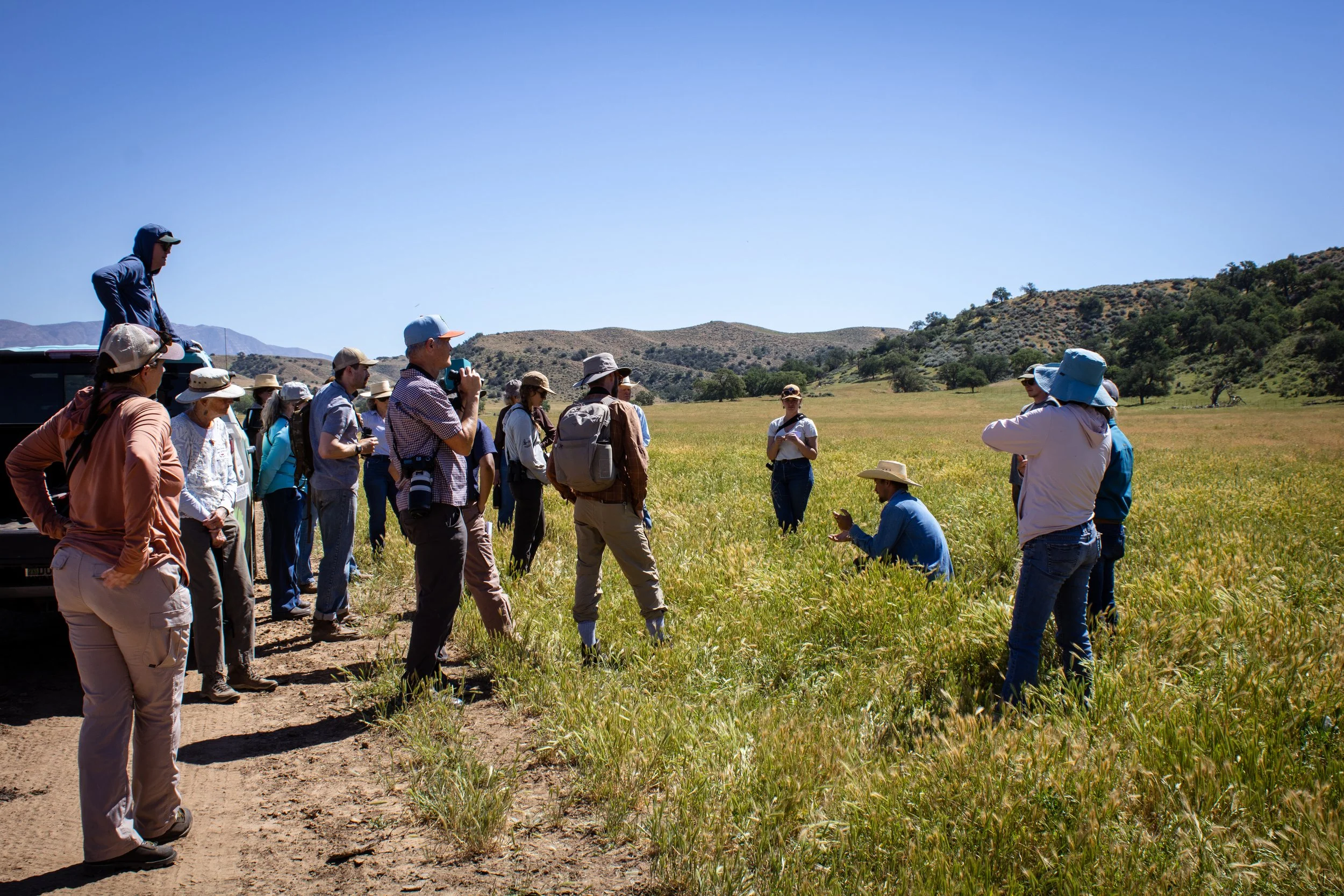
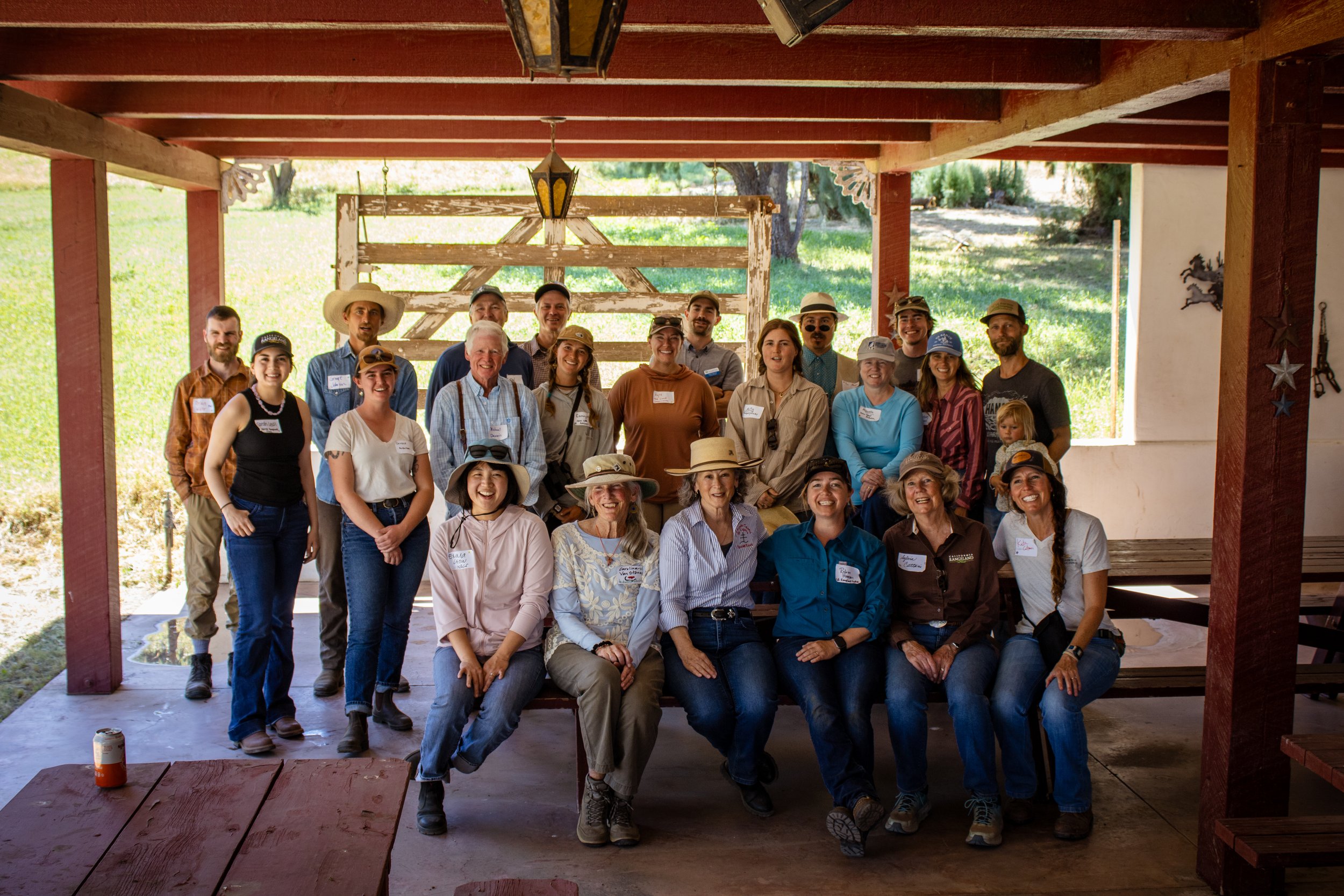
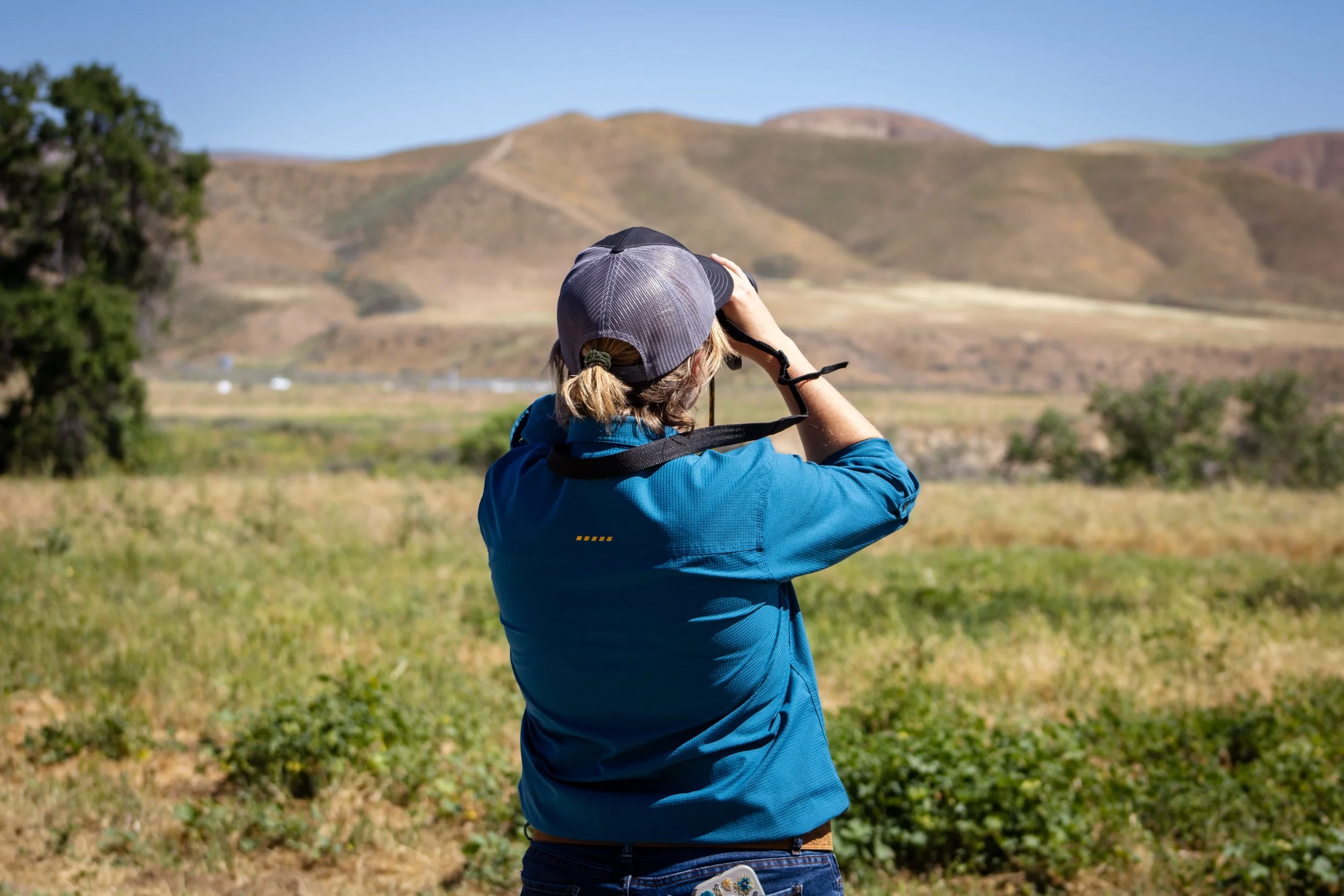
On March 25, 2026 a group of ranchers, birders, and agency folks came together to walk El Rancho Espanol de Cuyama and learn about the benefits of grazing for bird habitat. The morning started off a little rough, with an accident on highway 166 causing a road closure for an hour and half. But once the group of 25 was able to gather, it seemed the accident had made everyone remember how lucky it was to be out on a beautiful ranch on a sunny day.
Grace Ferguson, of Audubon Conservation Ranching, started the day off with a welcome message and a short overview of the day. The owner & operator of El Rancho Espanol de Cuyama, Pam Doiron, then spoke about the history of the ranch - it was a 22,000 acre Mexican Land Grant going back to the early 1840’s. Pam’s family bought the ranch in 1998 and raise seedstock heifers and registered bulls. Like most ranches, this operation is very dependent on the weather and Pam discussed how she can see the weather affect the bird populations also - wet years bring certain birds in earlier and dry years bring much less. She also discussed all the different grazing philosophies she has tried over the years and shared a handout titled "Adaptive Grazing”, which is the one she is currently following. The main takeaways were that Pam is always watching and listening to the flora and fauna on the ranch to help make the decisions of when to put cows in a field and when to let it rest.
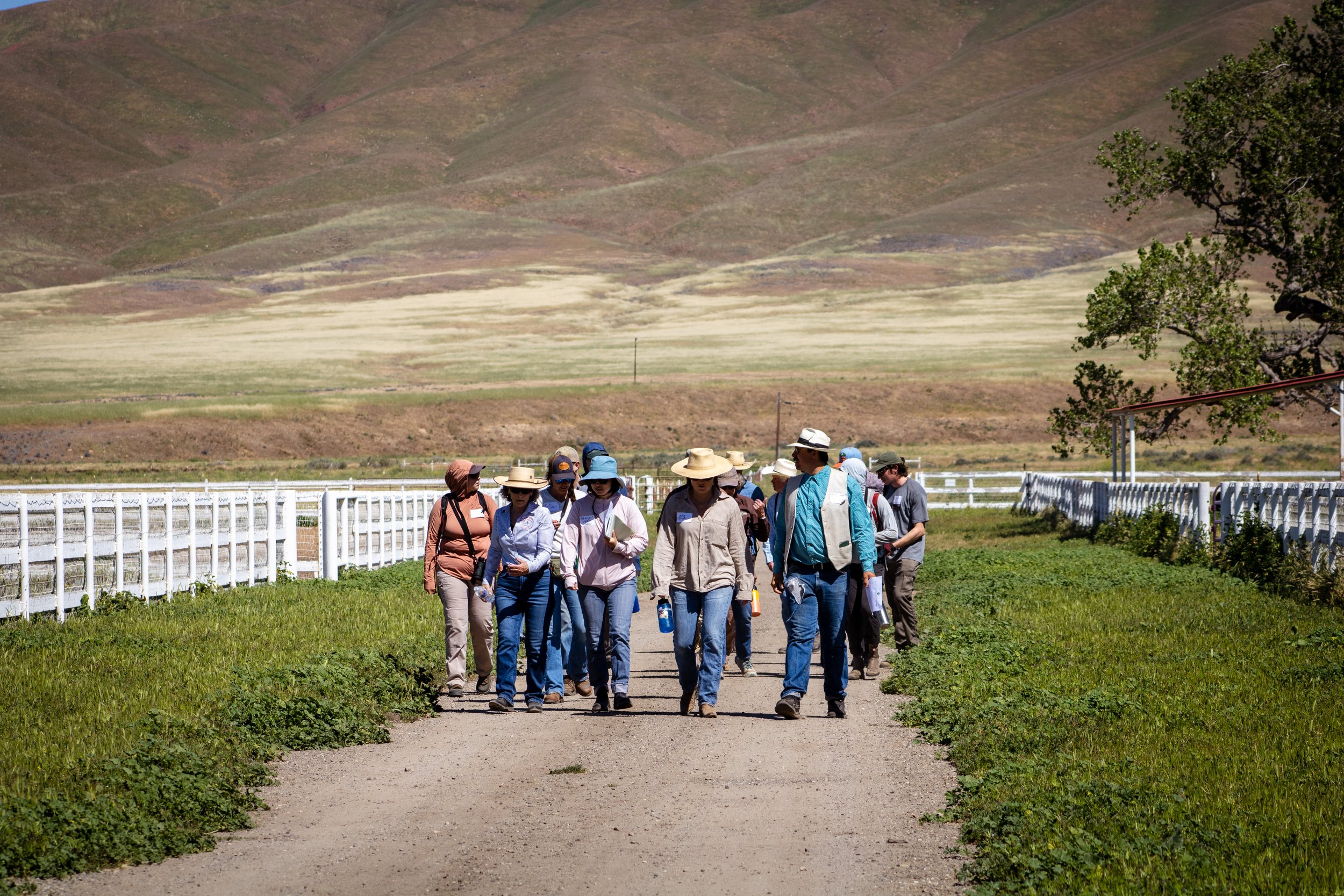
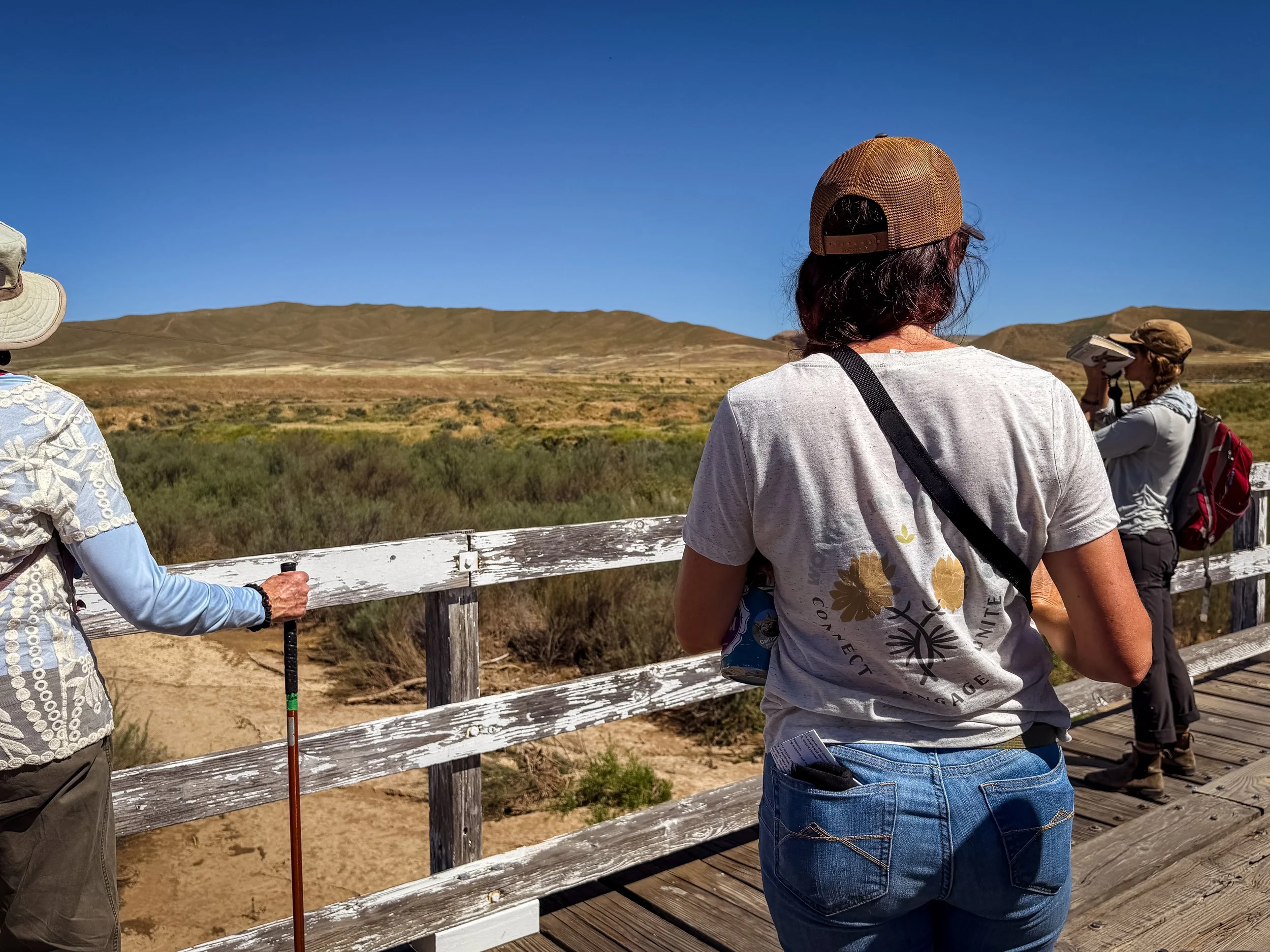
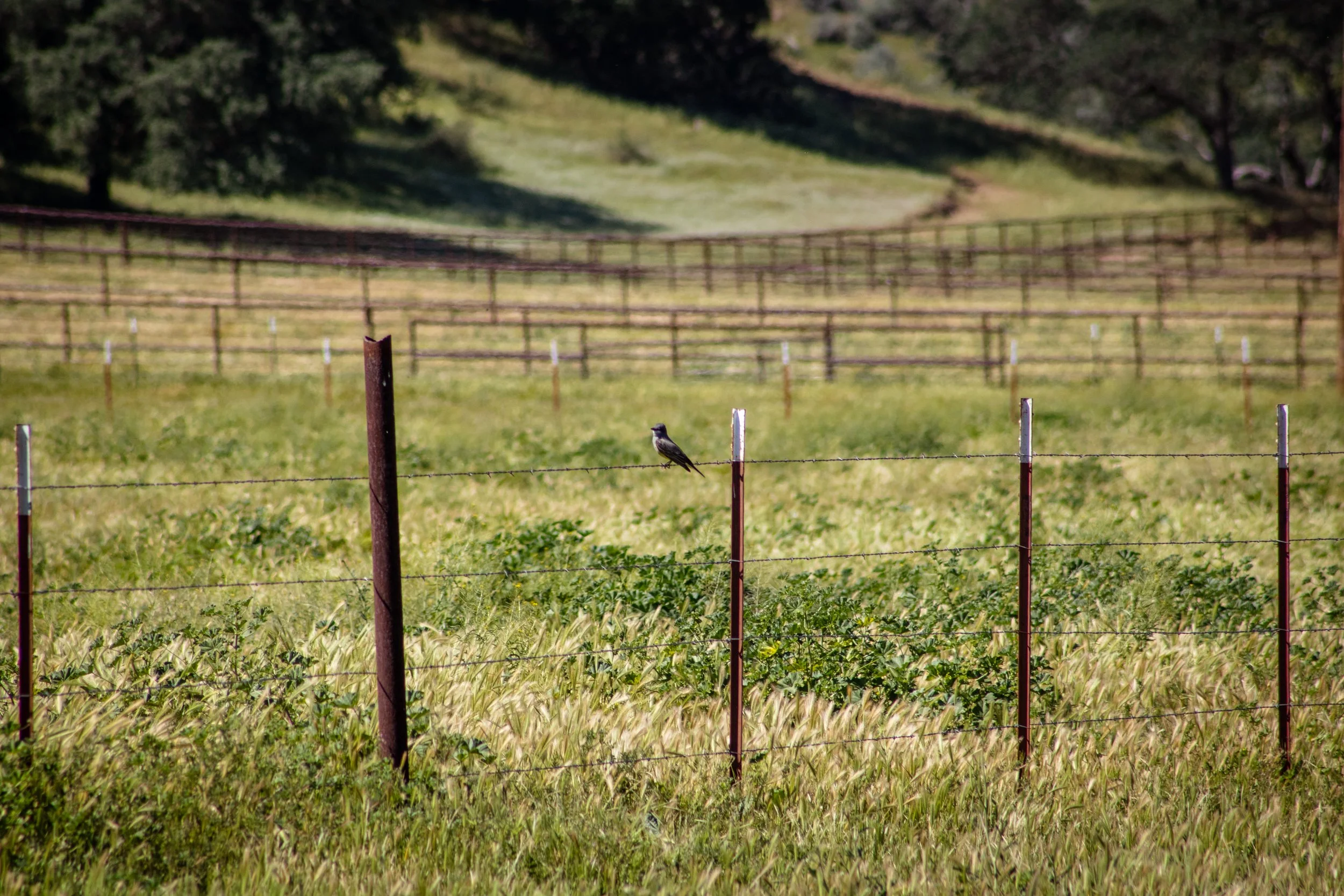
After this introduction, the group walked about half a mile down to a large bridge on the ranch. Here the group was able to see nesting ravens. Some of the birders in the group shared tips for telling ravens and crows apart - the raven is much bigger and it has more diamond shaped tail feathers than the crow, which has curved C shaped tail feathers. On the walk back from the bridge a pair of western bluebirds was spotted on a fence and the group discussed how they need other animals or nature to create the holes they nest in. Grace shared that dead oaks can be great habitat for them, so it is beneficial to leave some dead trees on the ranch. Next the group loaded into trucks to drive around some of the ranch. The group stopped at various points on the drive to discuss different habitats and how cattle grazing benefits the birds in the area. The agenda had to be shortened a bit due to the late start, so the ranch tour was not as long as planned. After this, the group gathered back at the tables to share a delicious lunch catered by a local high school teacher and his culinary students. Robin Hanson, of California Rangeland Trust, led the closing comments and invited each attendee to share something they learned throughout the workshop. The day wrapped up around 2pm.
A really neat aspect of this group was the different backgrounds and knowledge in attendance. The group consisted of ranchers, local audubon chapter members, RCD employees, NRCS employees, and employees from local land trusts. Many of the attendees pointed out birds or shared insights throughout the day. The ranchers that attended were from nearby ranches and discussed the similarities and differences of their operations. The agency people were able to discuss projects they are working on with Pam at the ranch, as well as examples of other projects happening in the area. The goal of this workshop was to connect birders and ranchers in a local area and let them see the similarities in their passions. The birders learned that grazing is beneficial to the bird habitat and that many ranchers are passionate about the birds on their ranches, too. And the ranchers learned more about the birds they see and ways to provide more beneficial habitat for these species. It was very rewarding to see a group that started out as strangers in the morning laughing and sharing stories by lunch time.z
April, 2026